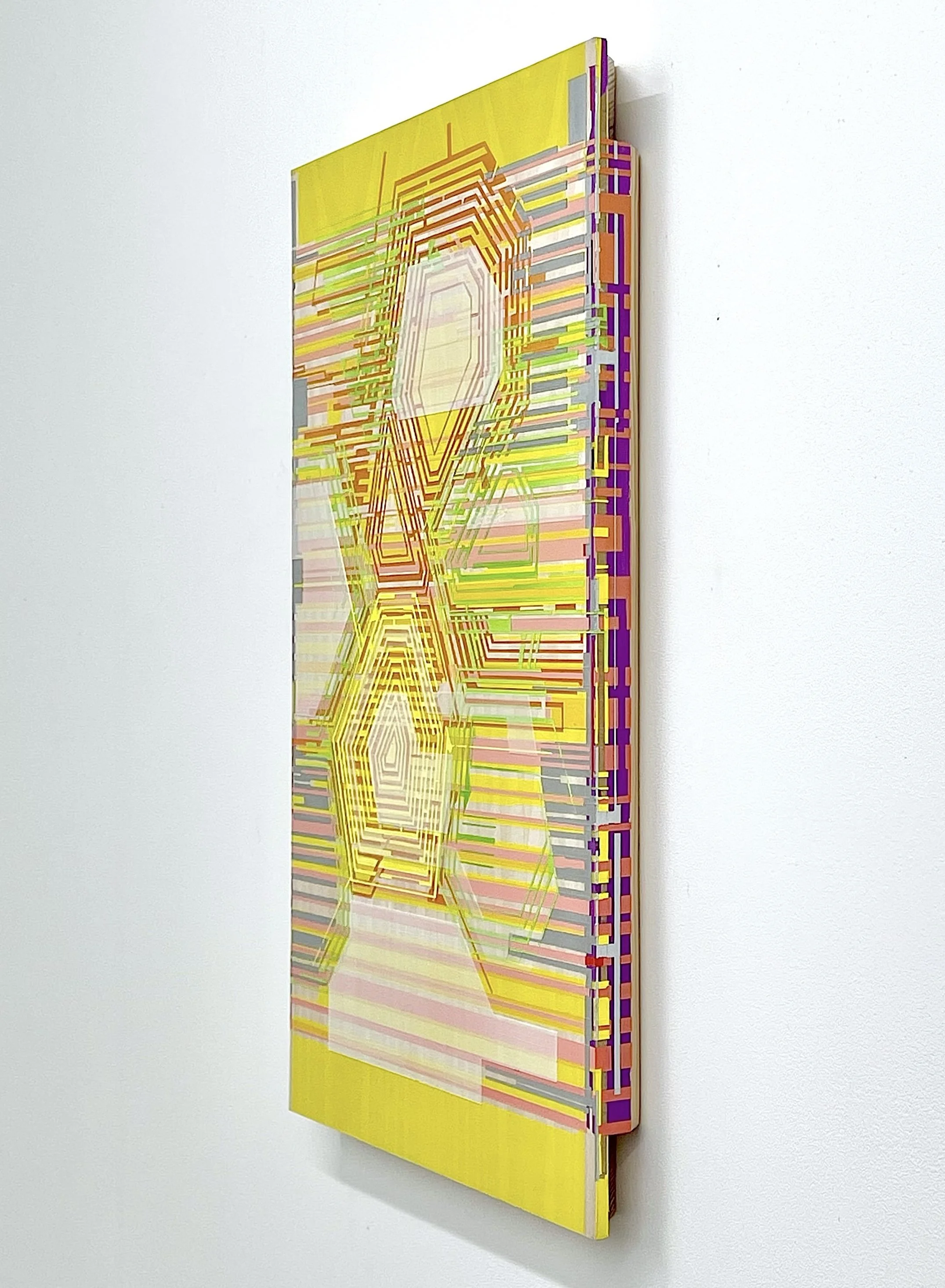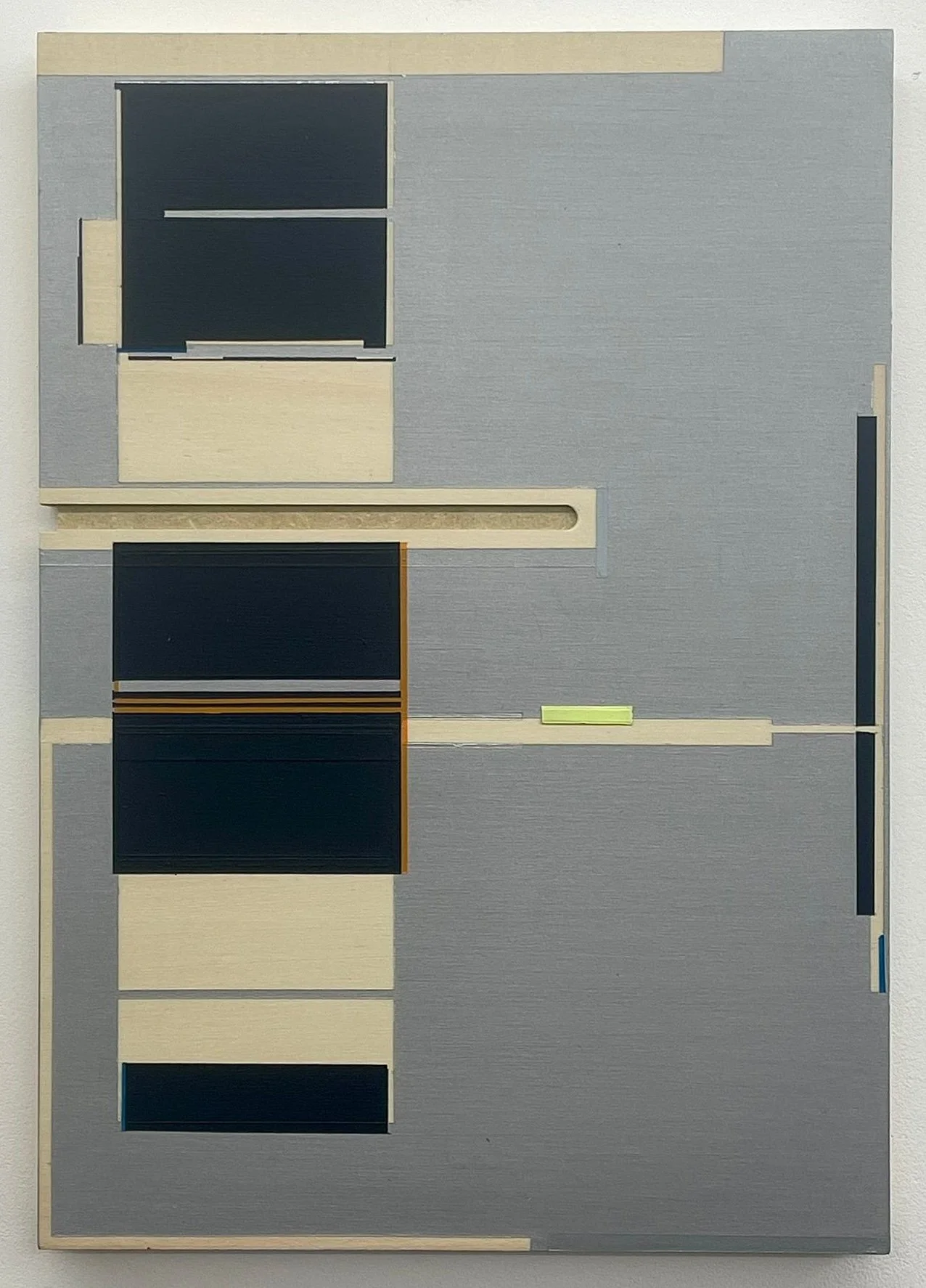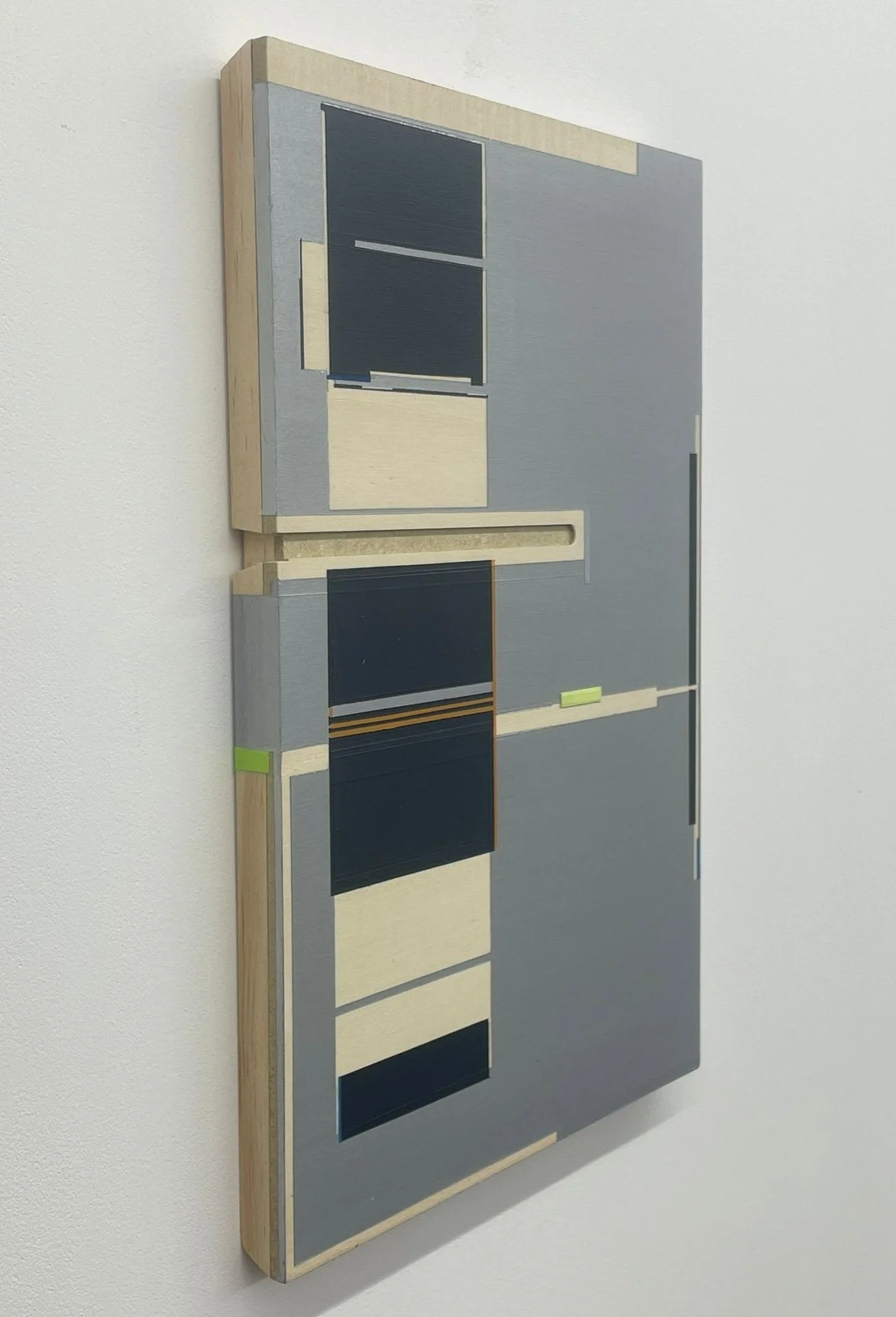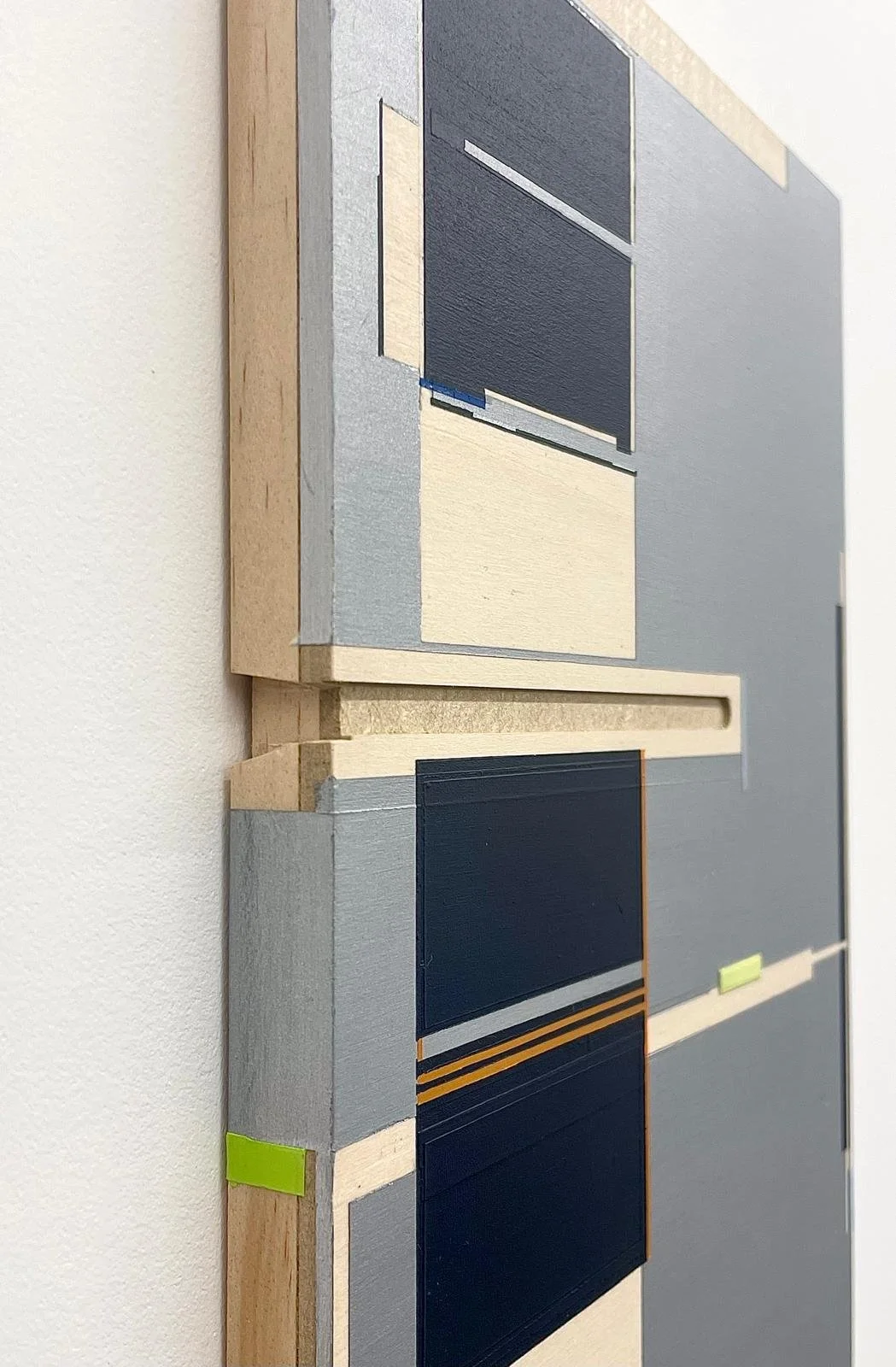
JASON GUBBIOTTI: STATIC BURSTS
March 1 – April 11, 2026
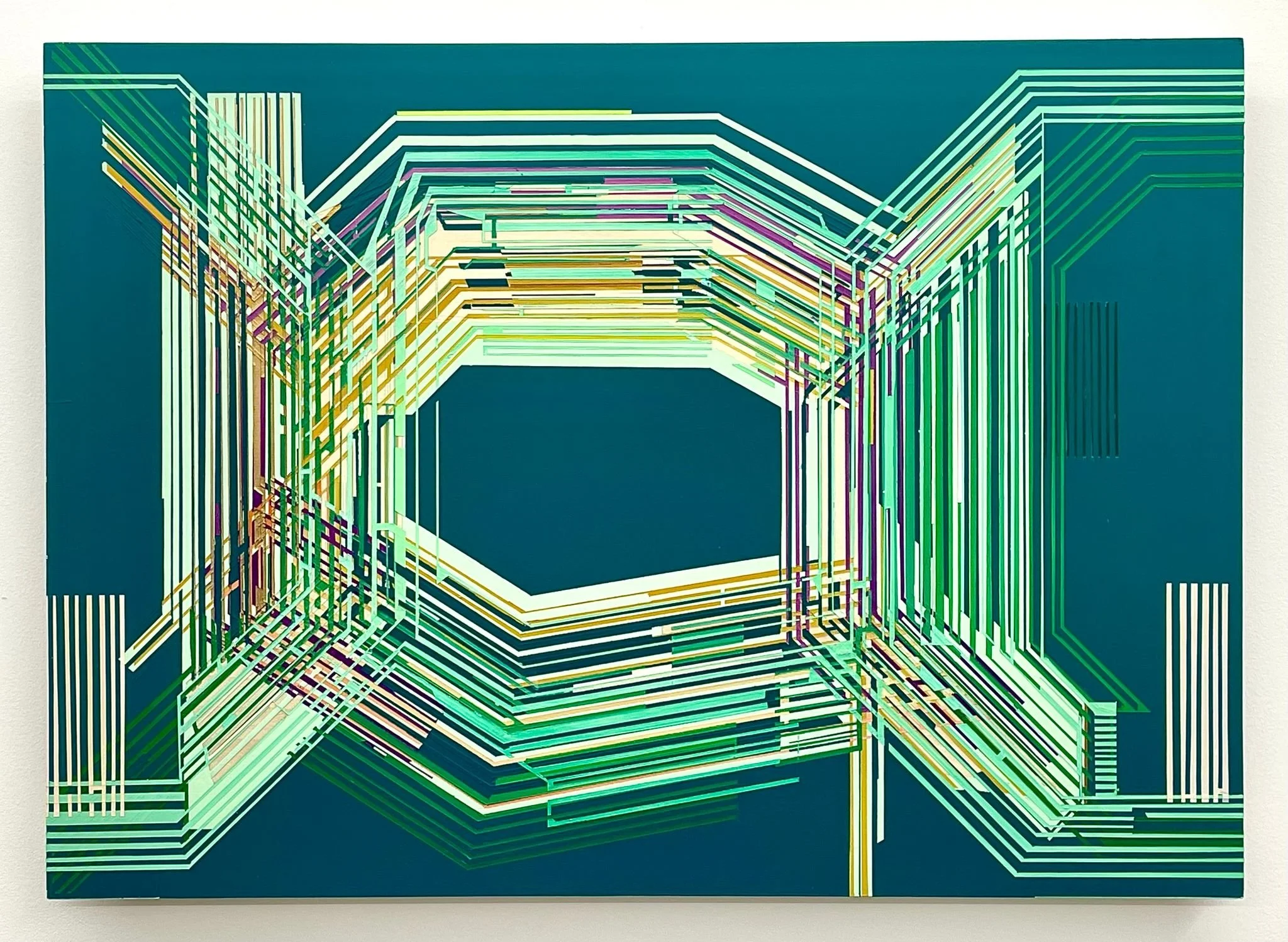
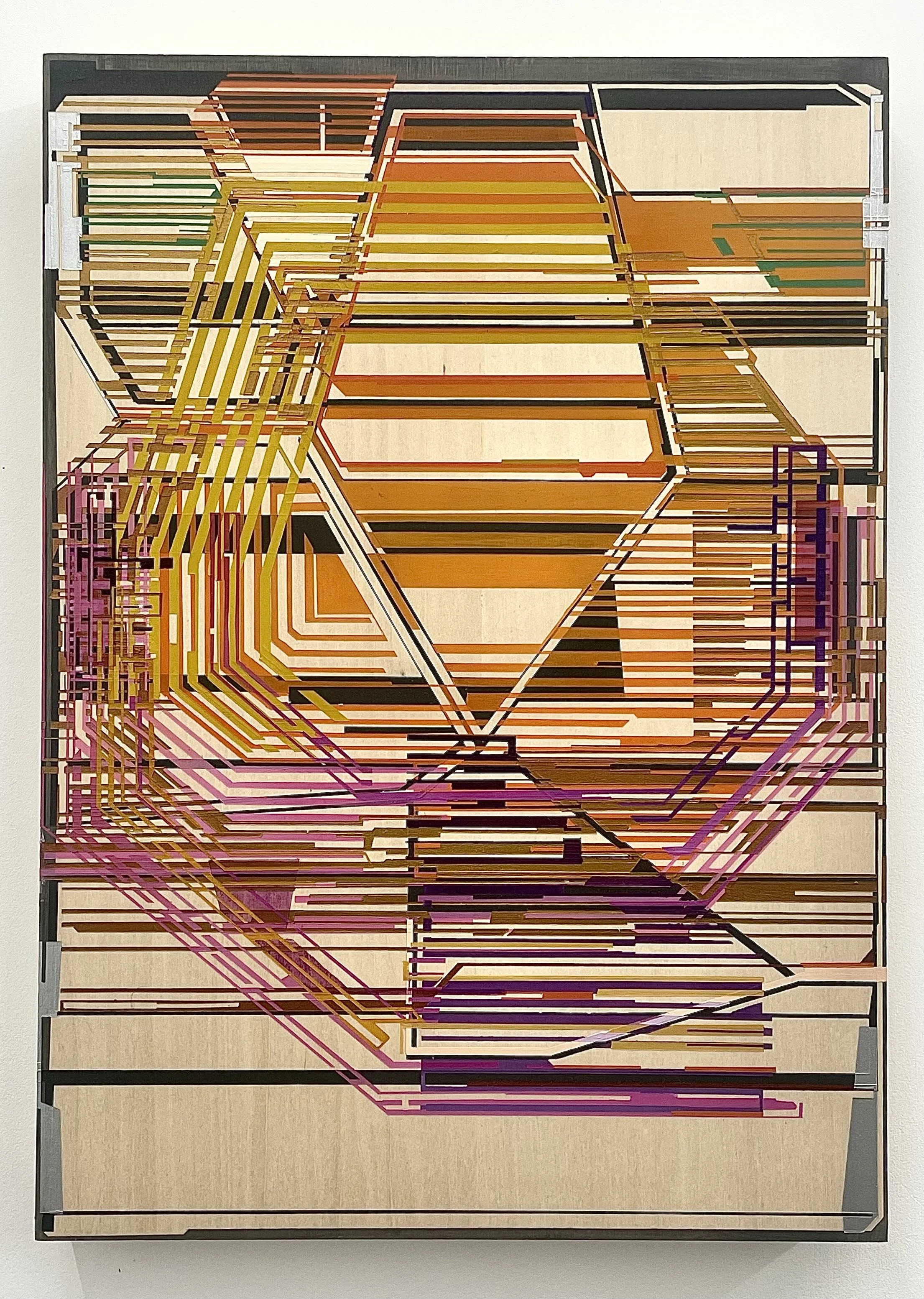
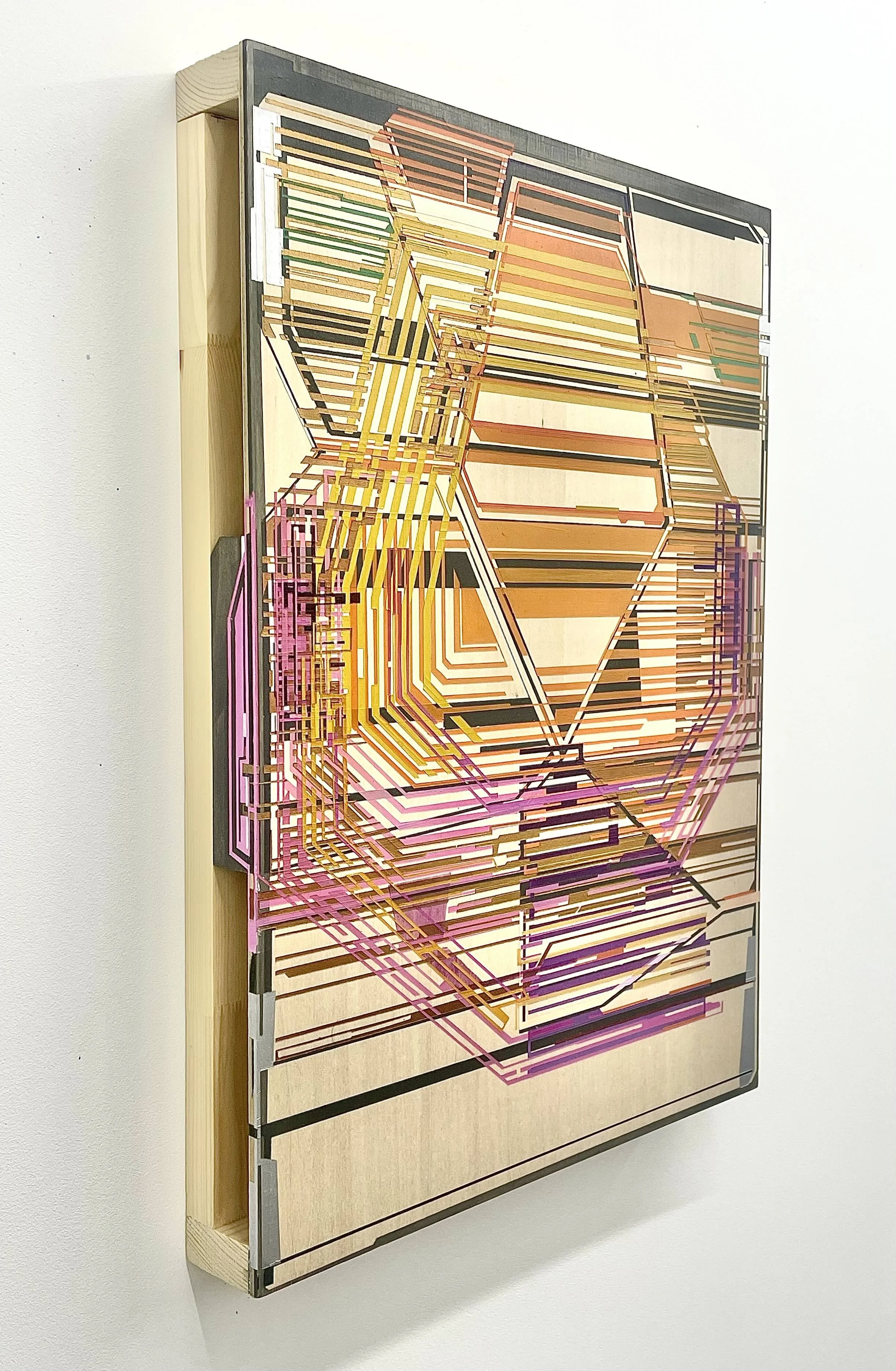
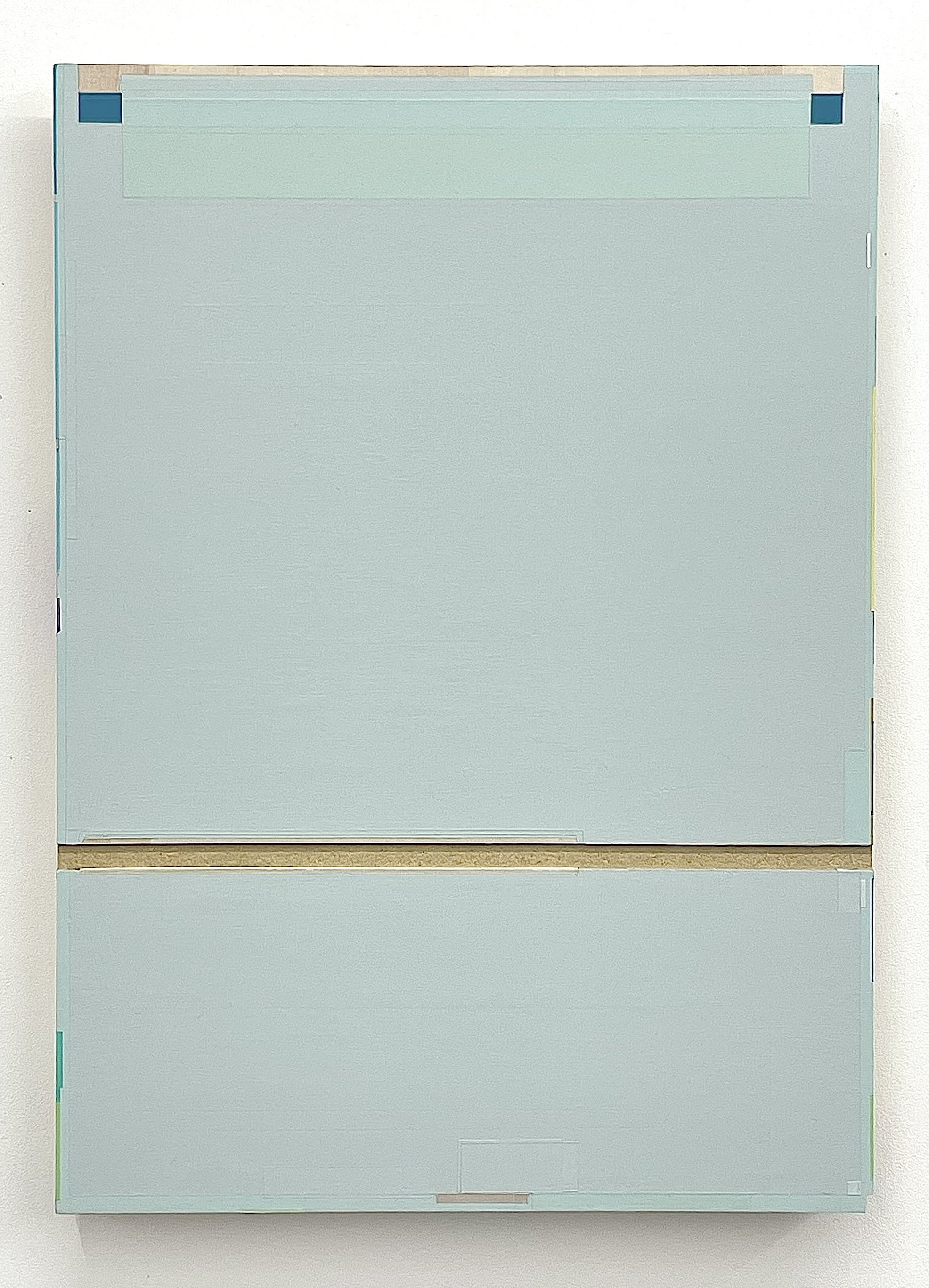
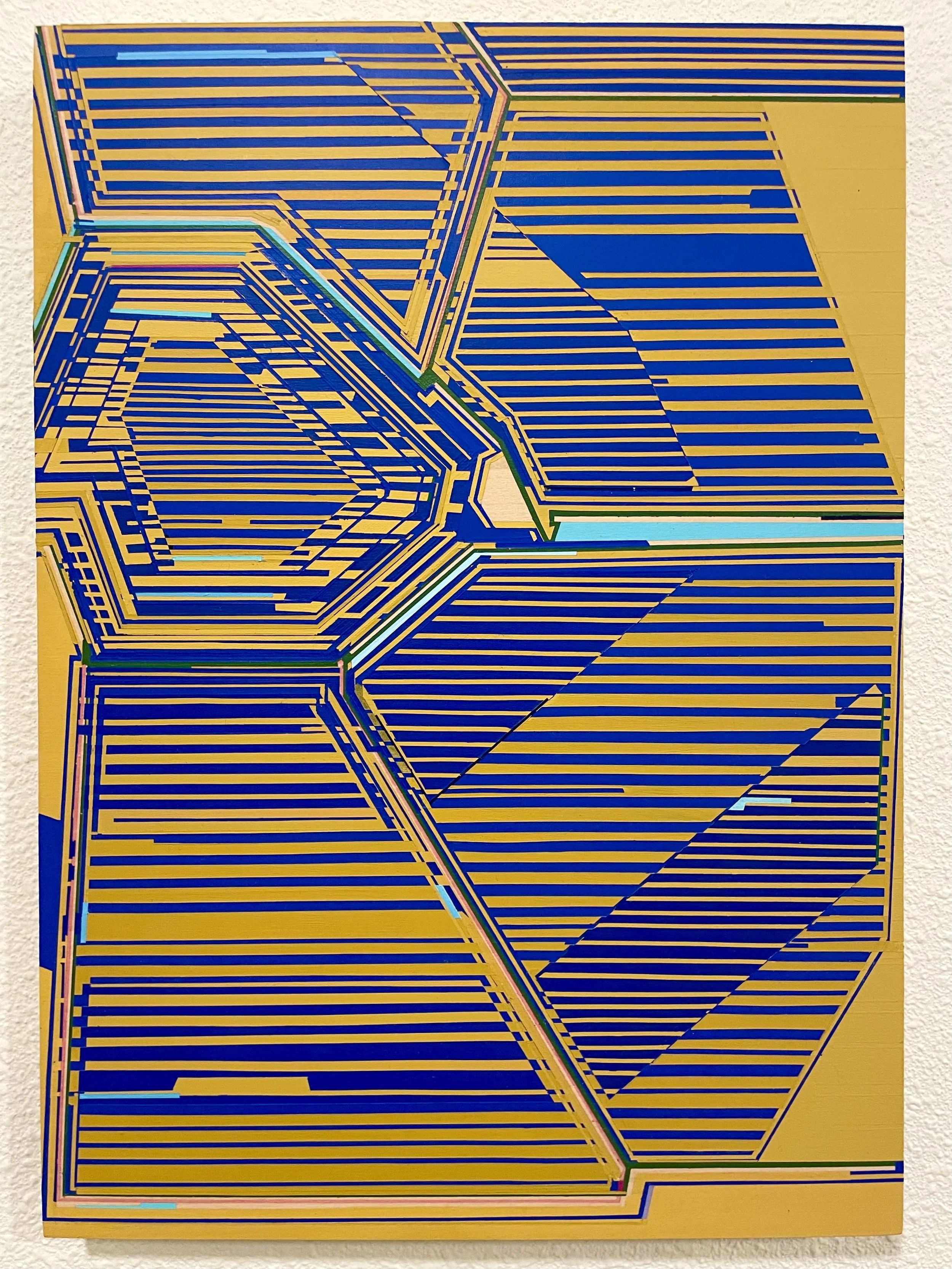
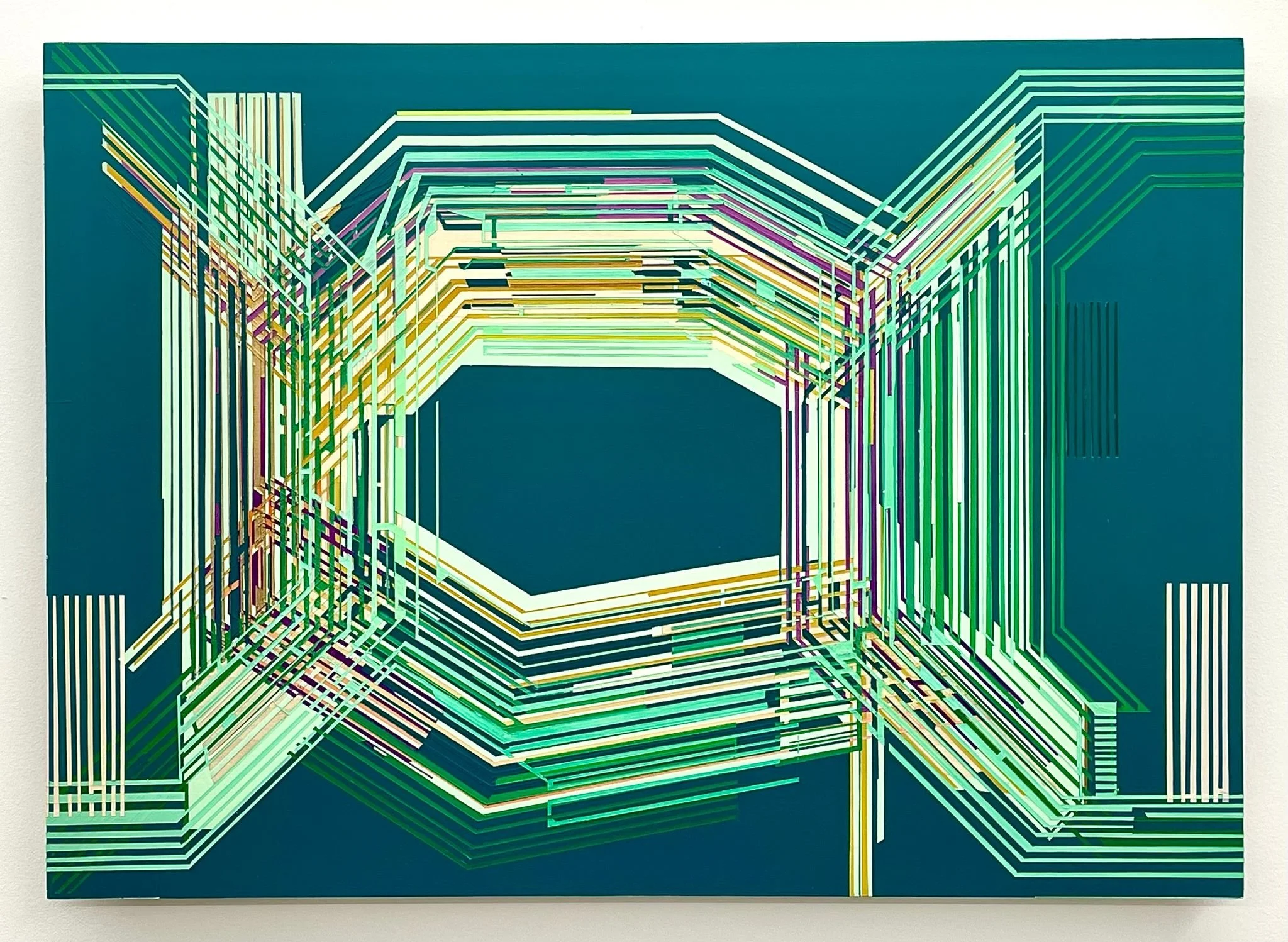
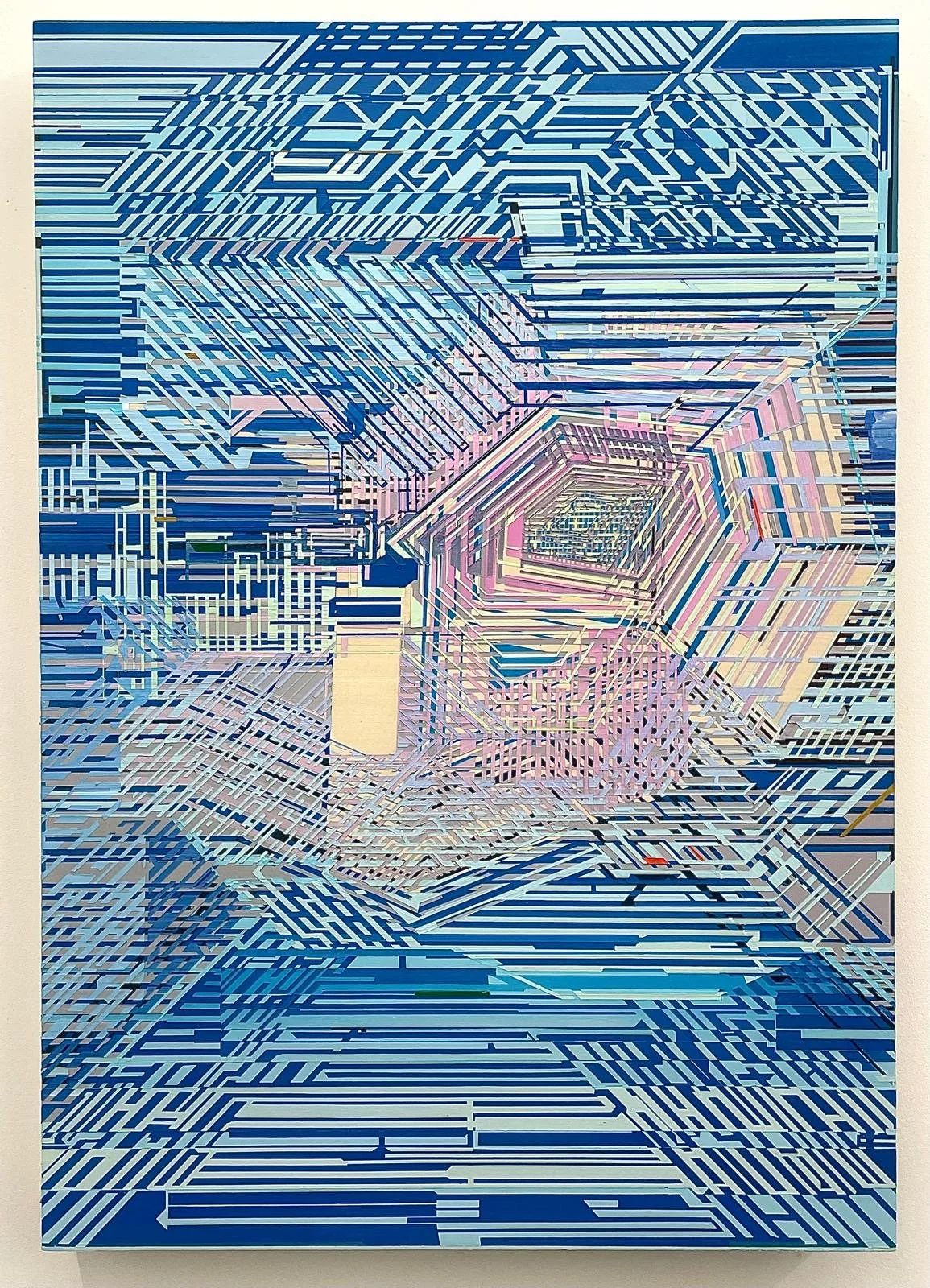
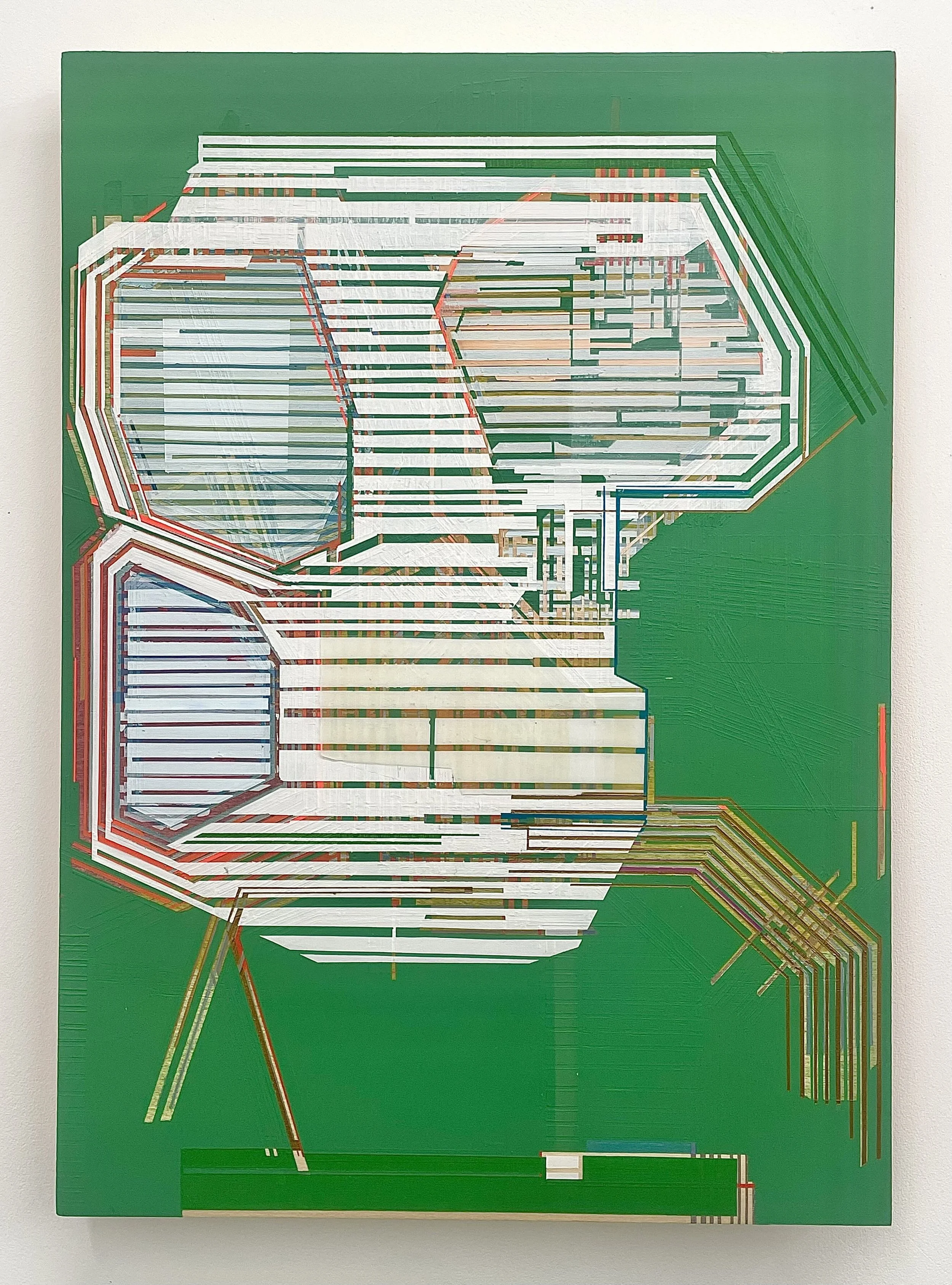
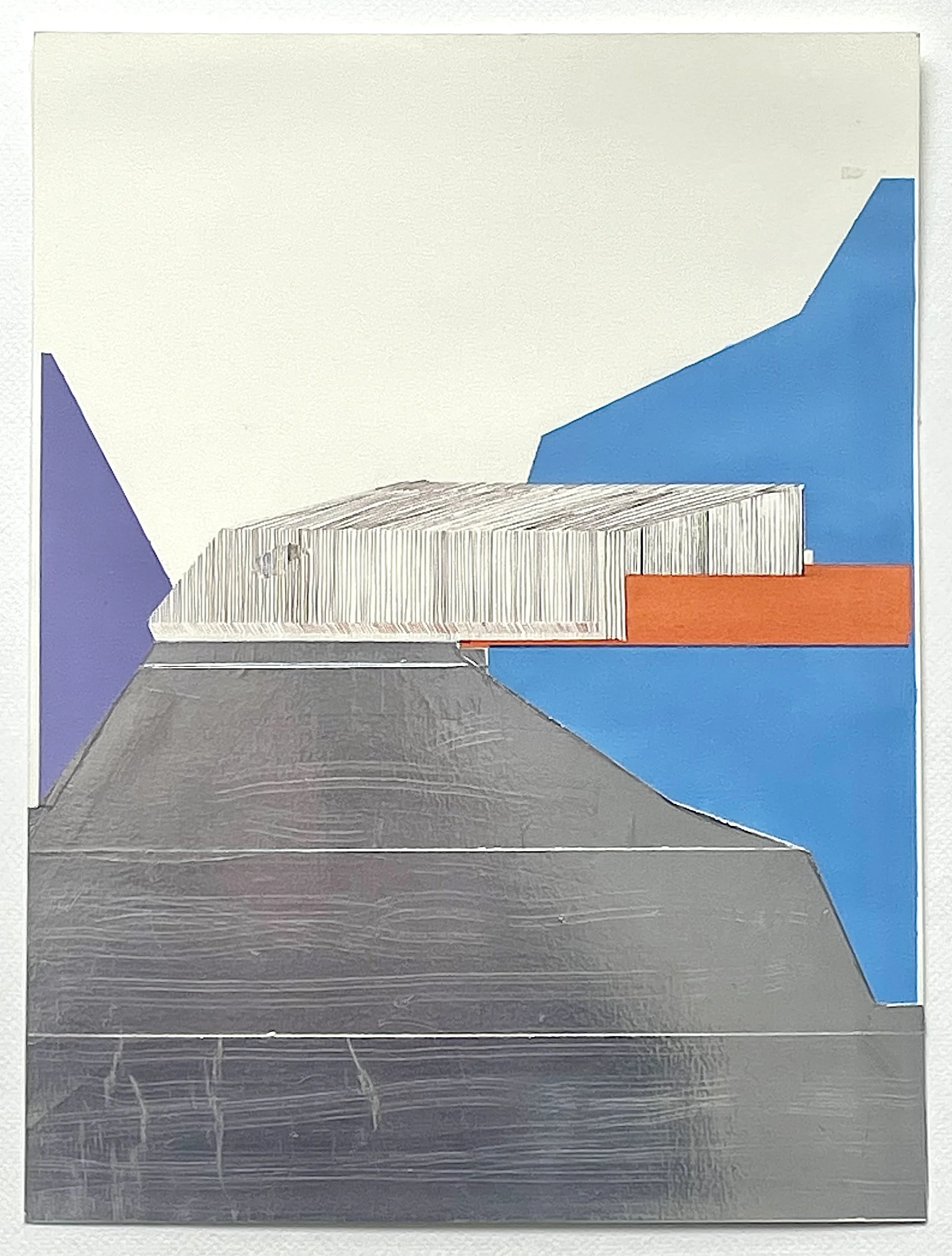
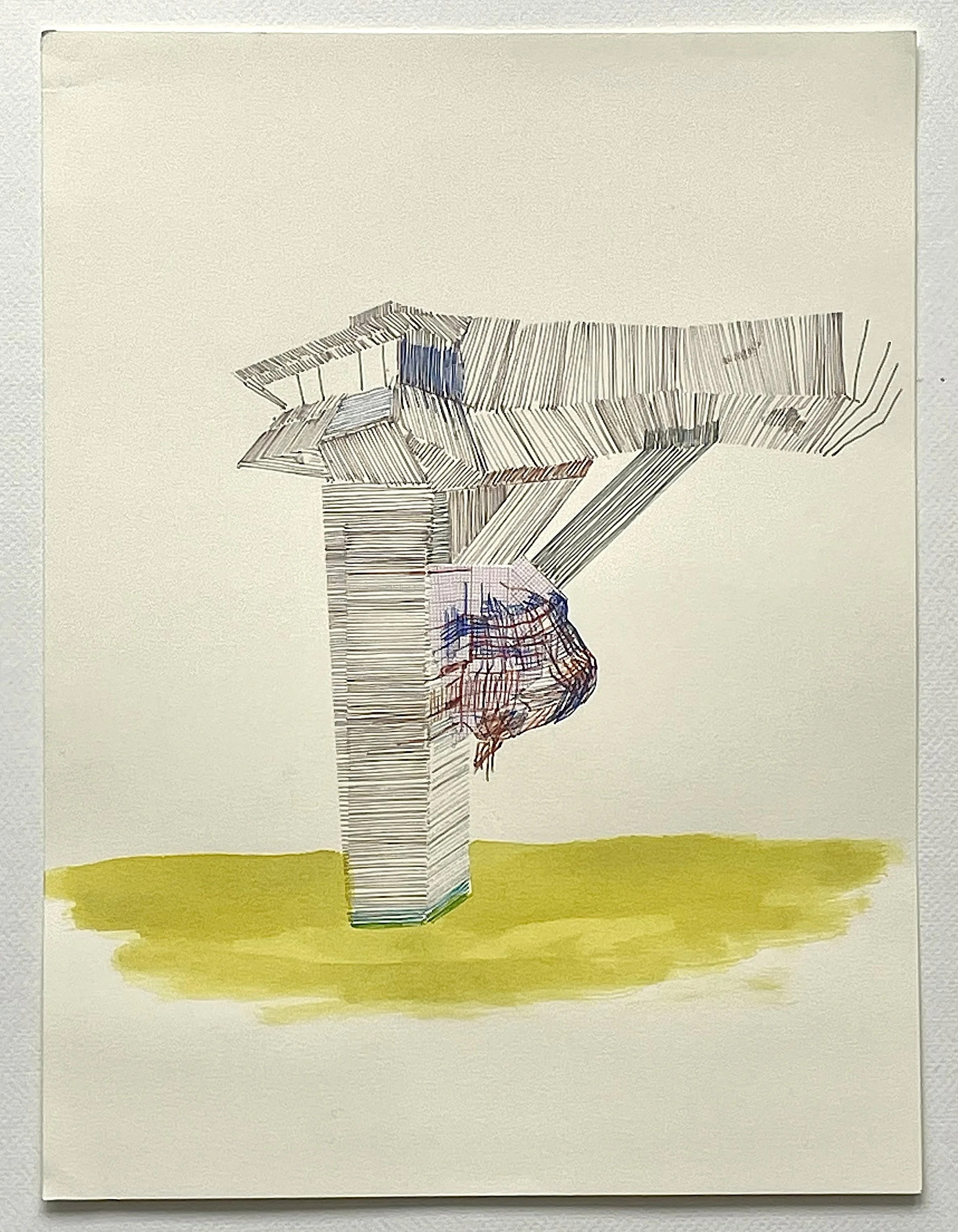
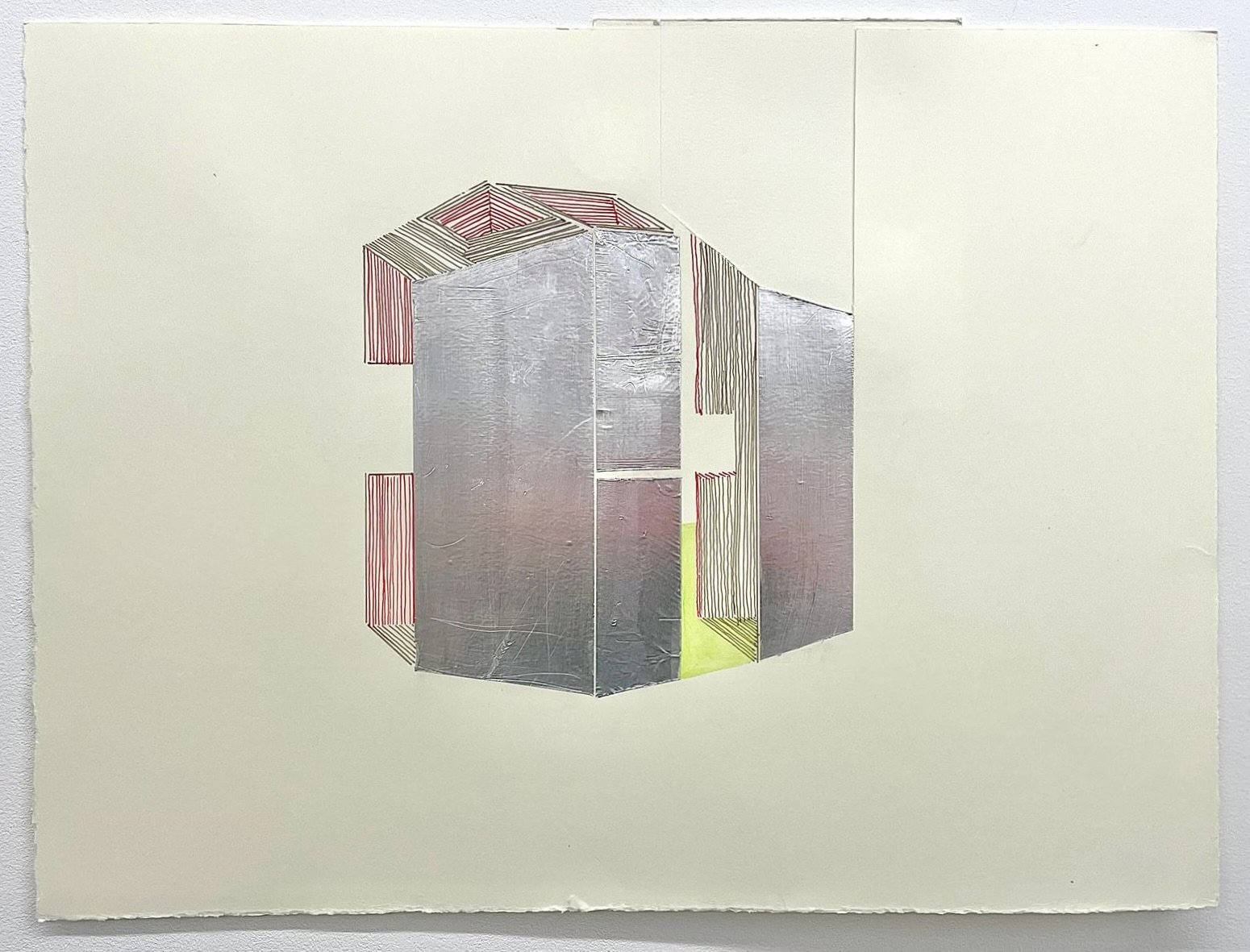
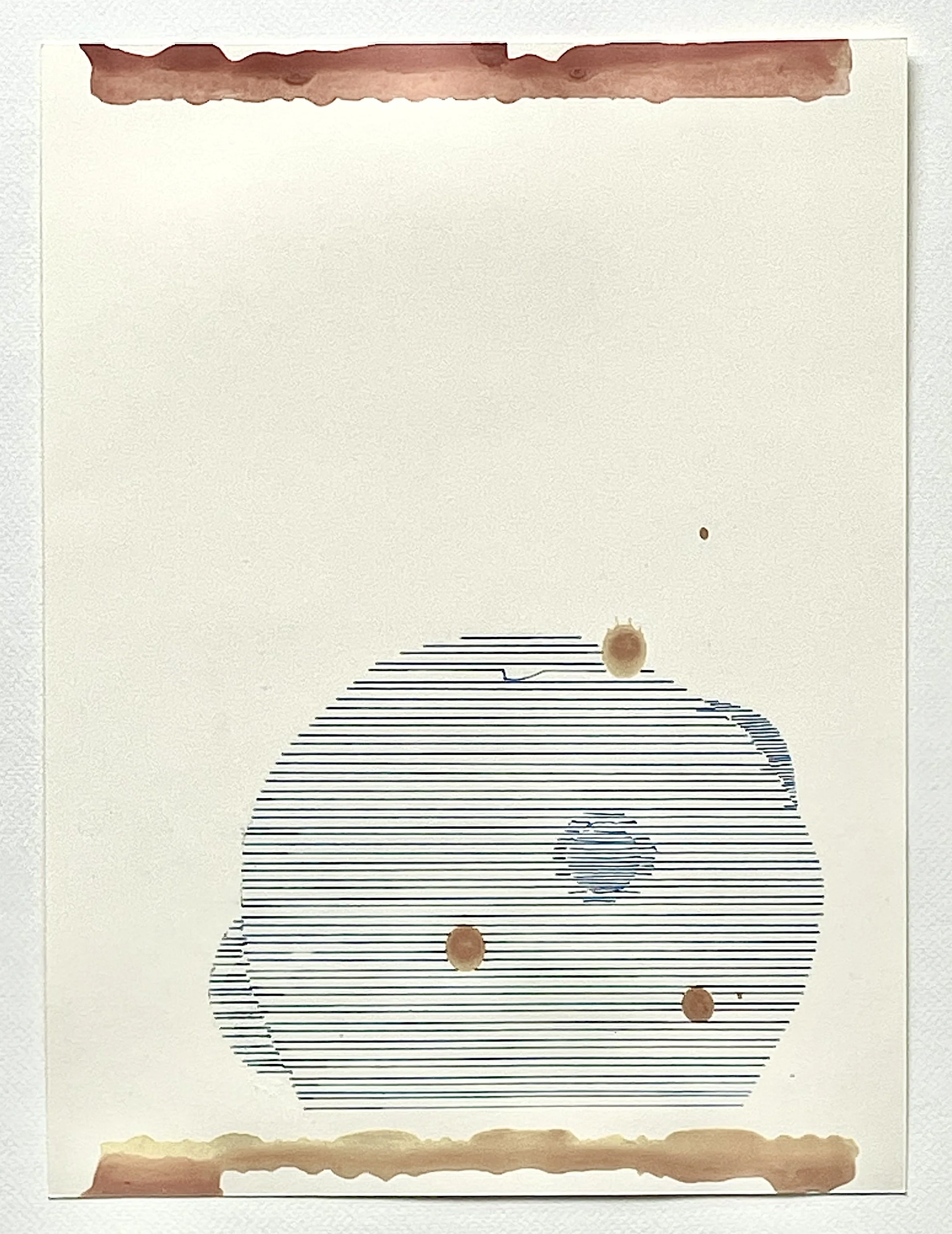
Educating Trees, 2025, Acrylic on wood panel,
12 x 16 1/2 in
The Shape of Painting to Come
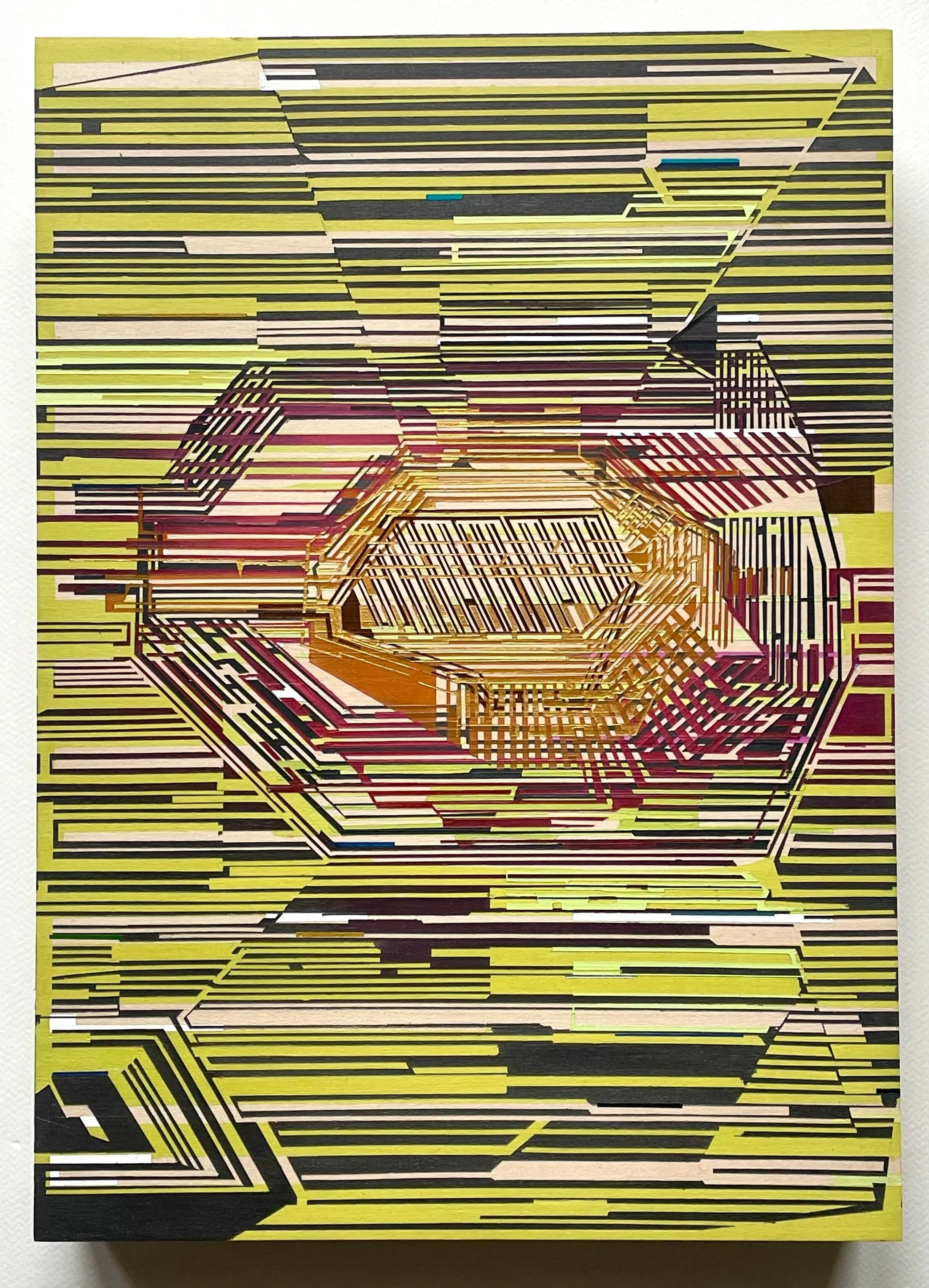
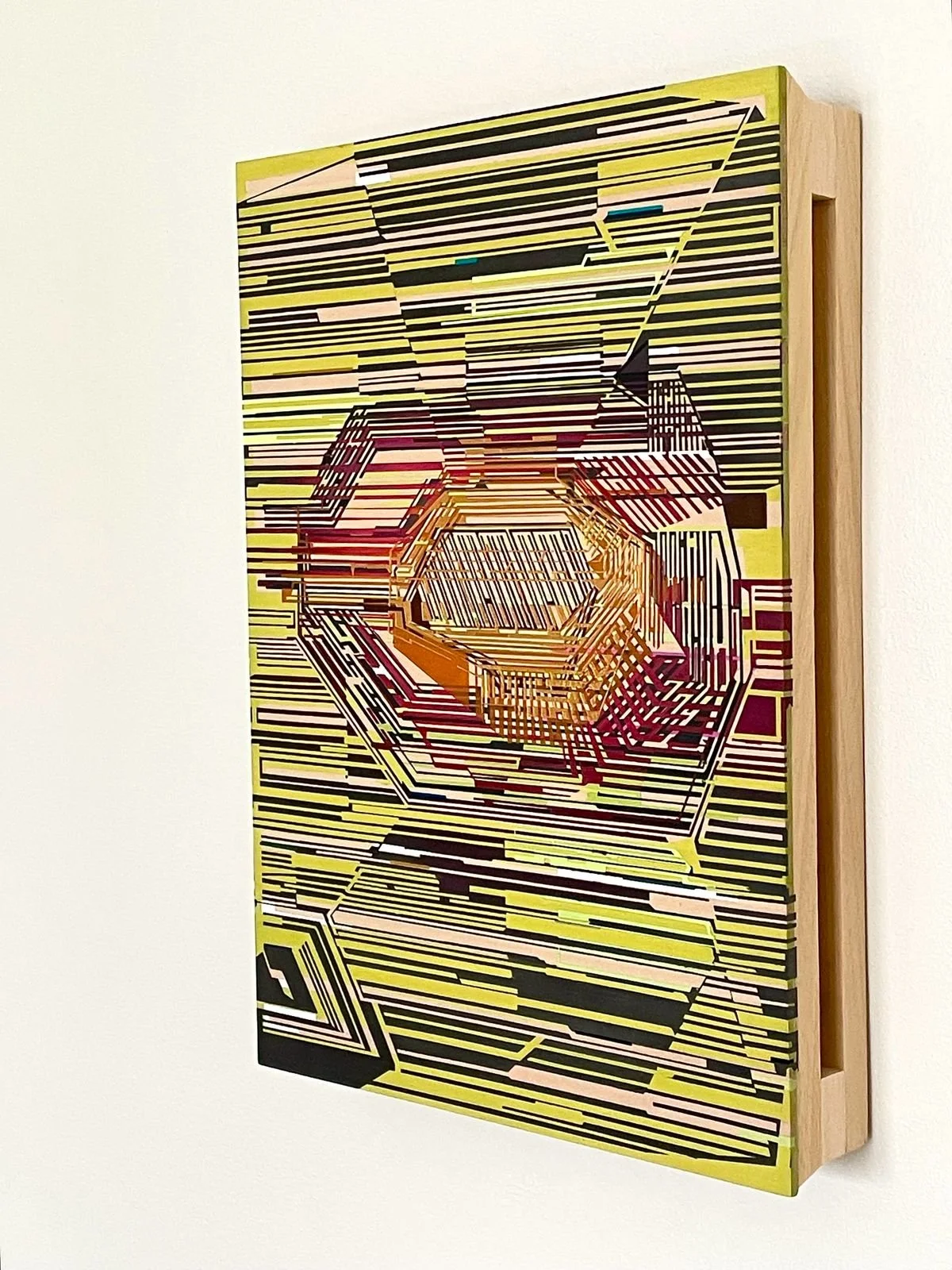
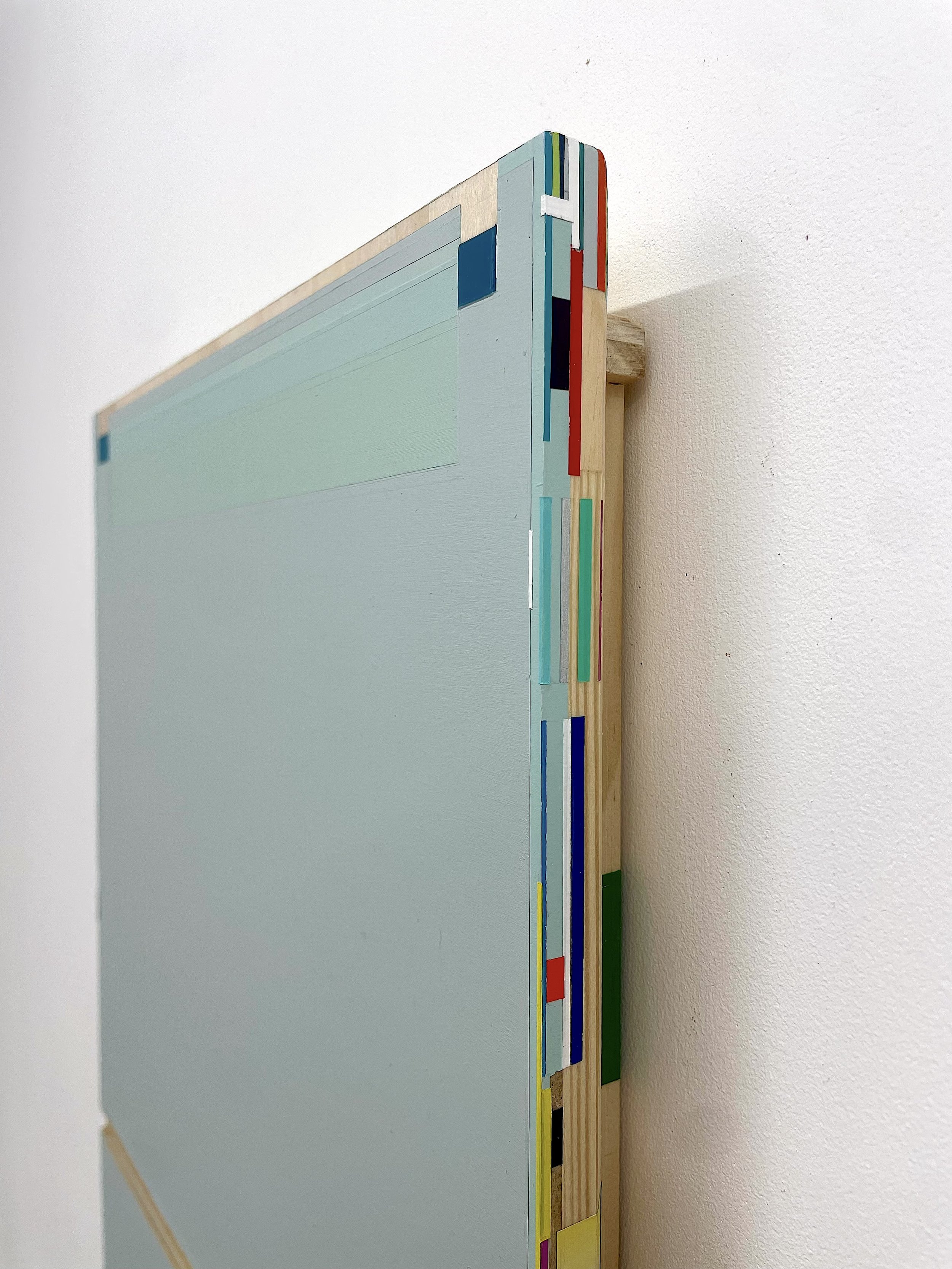
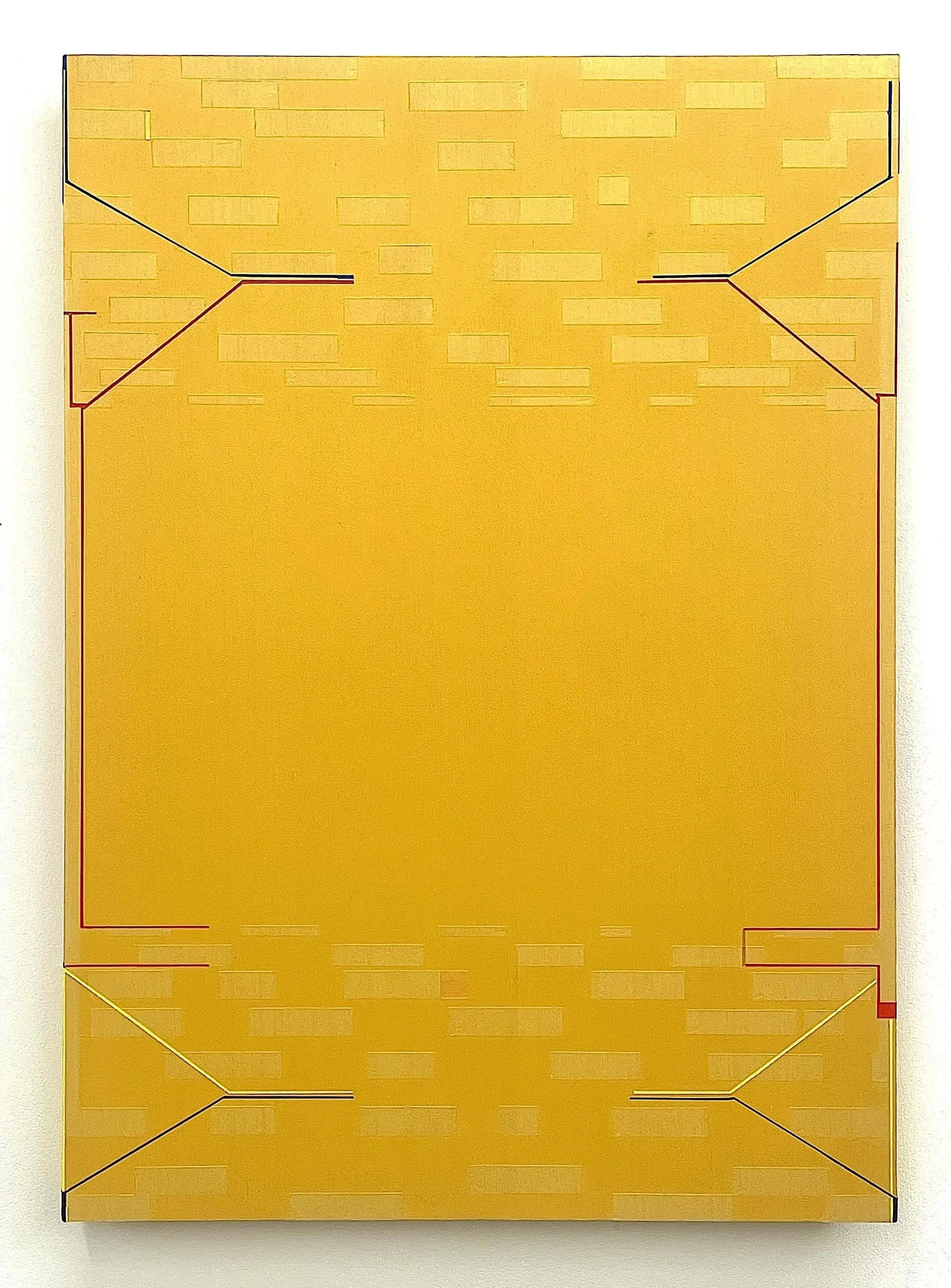
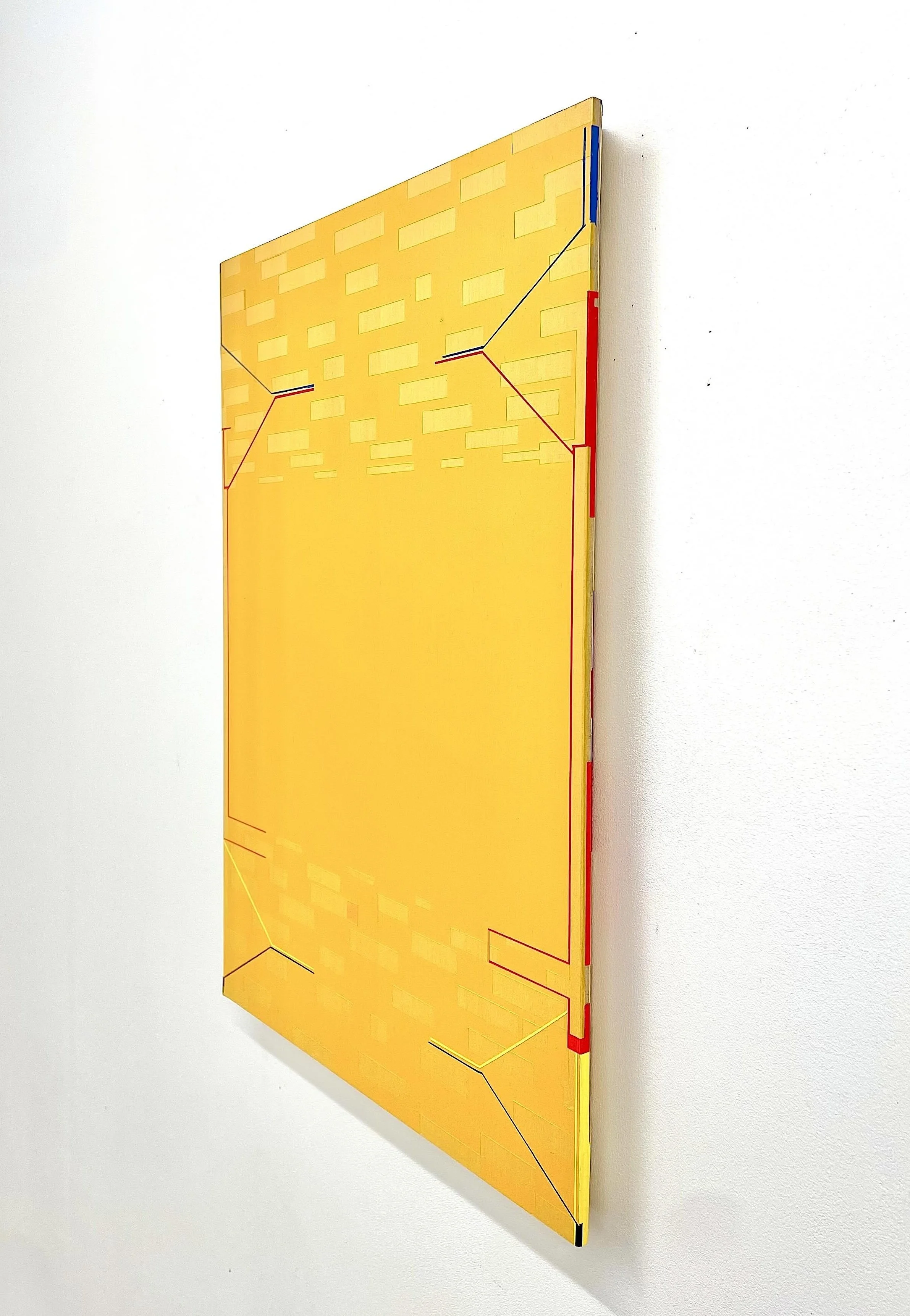
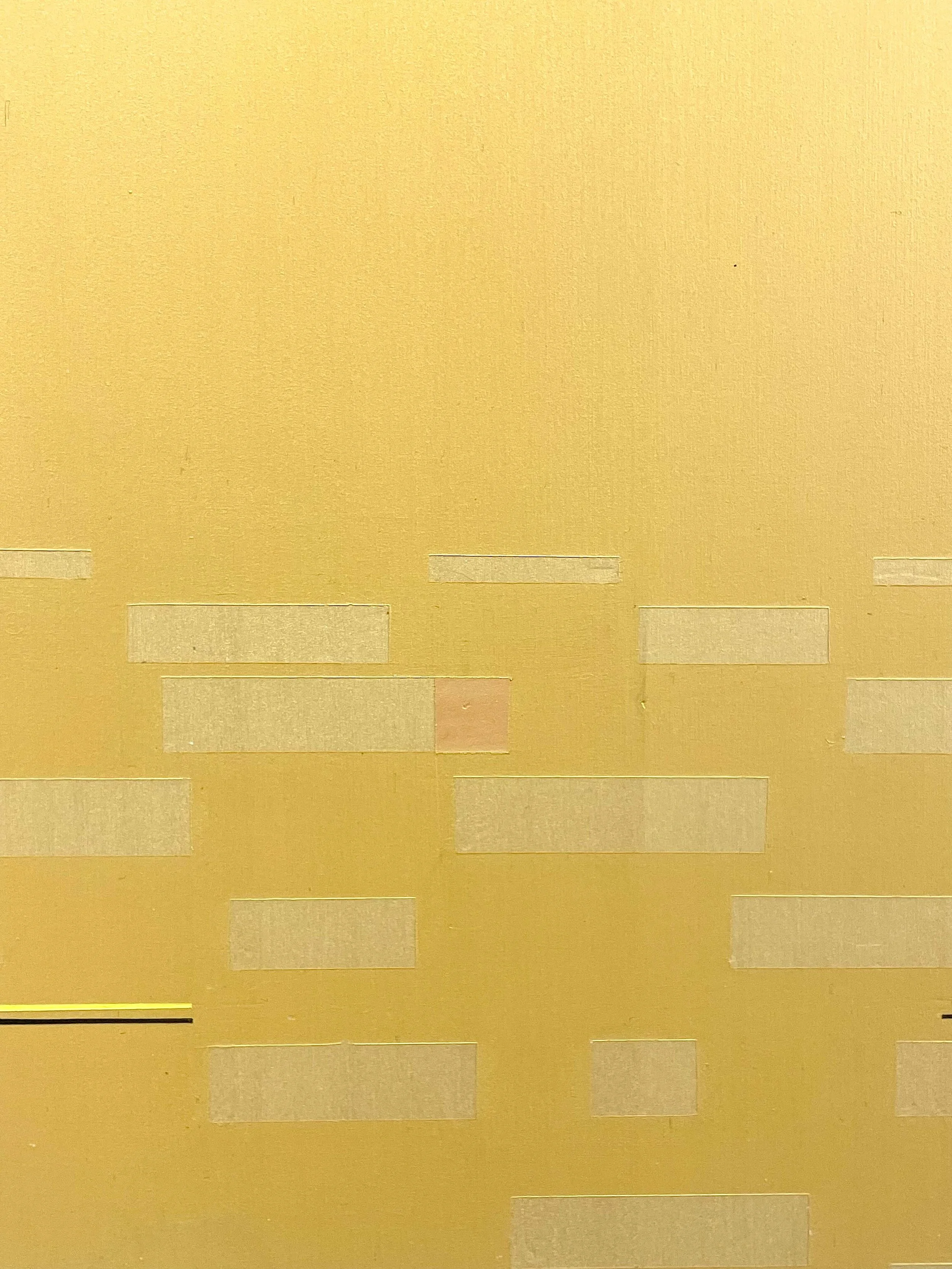
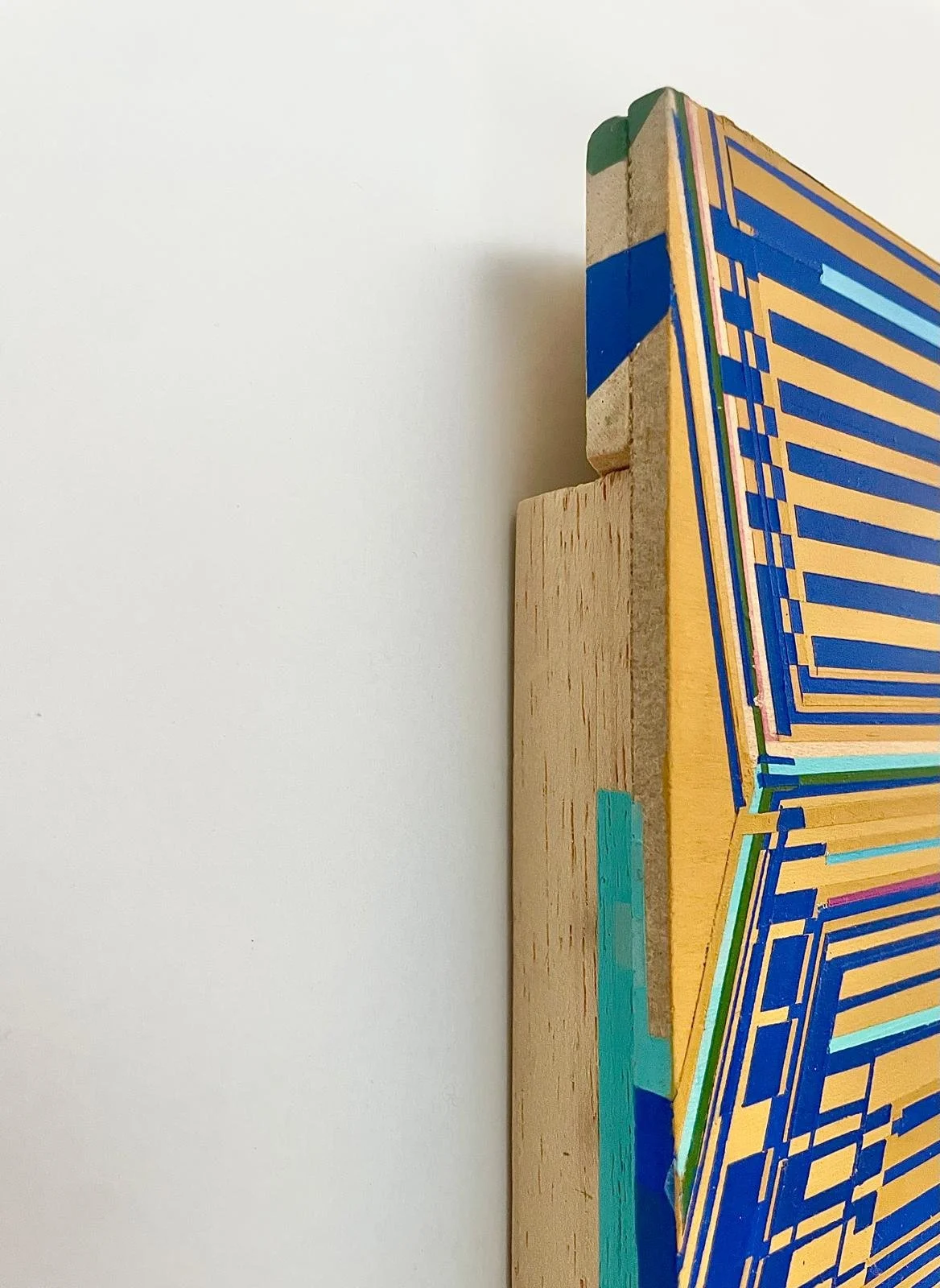
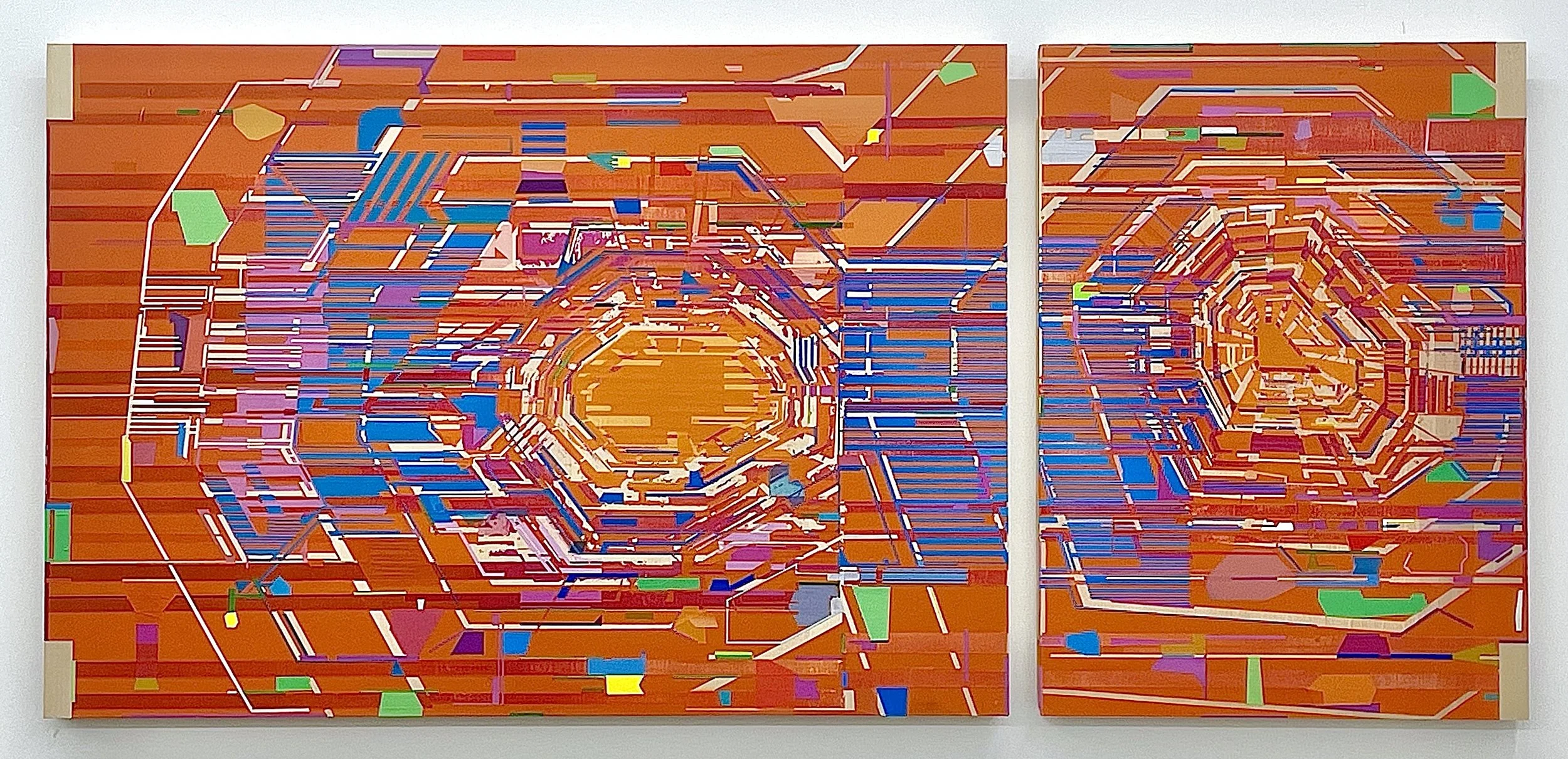
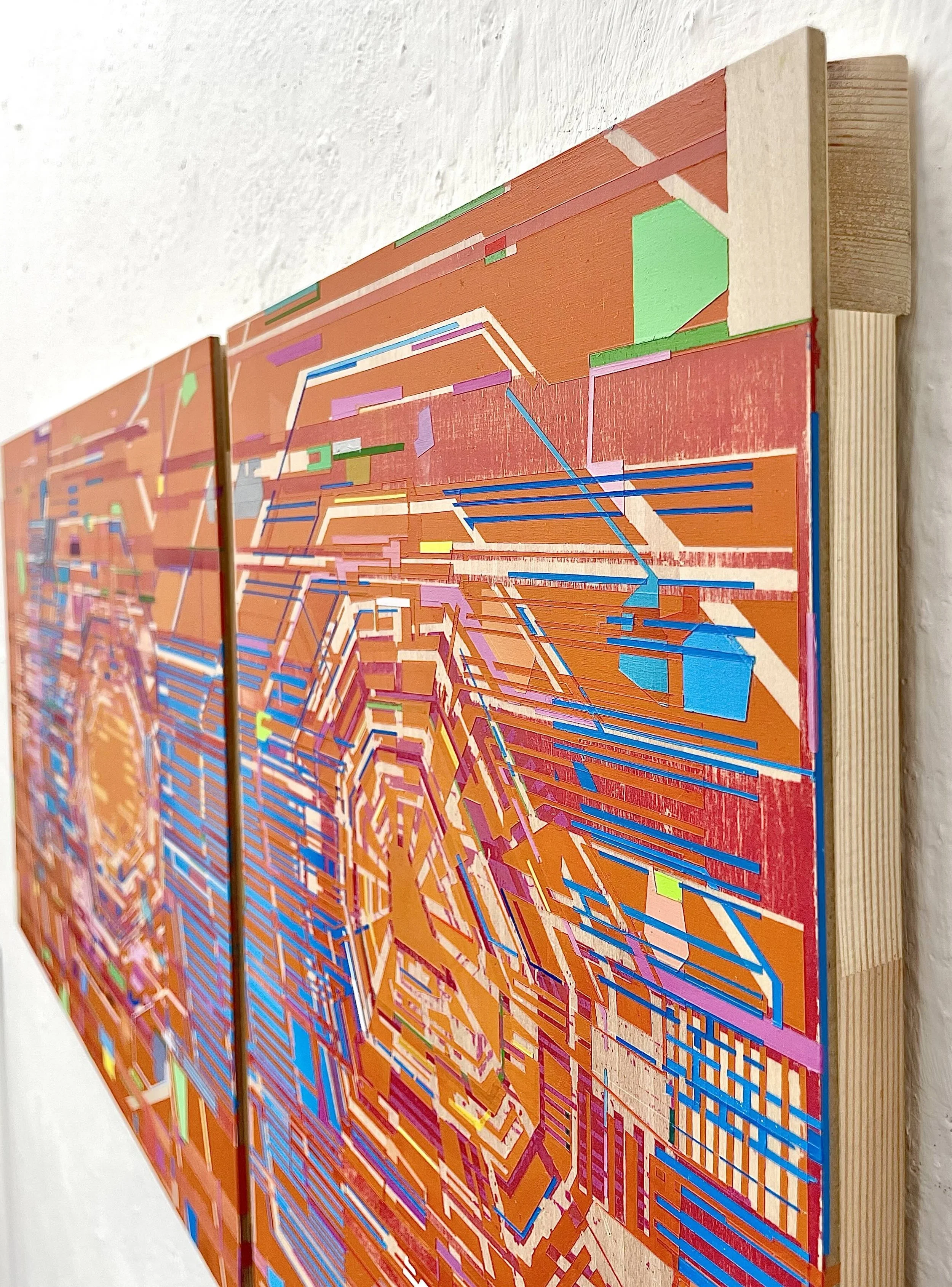
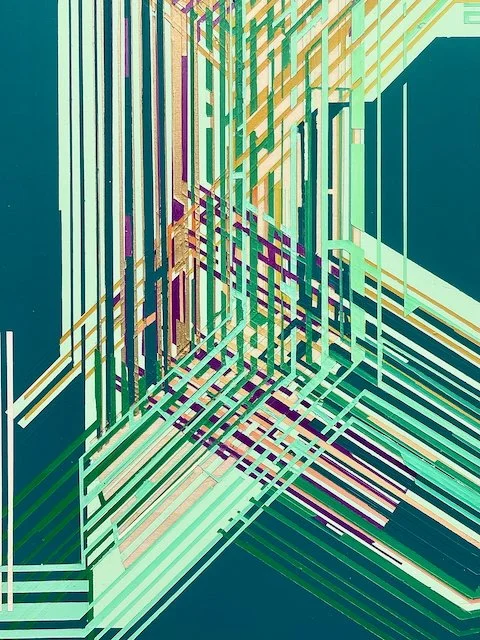
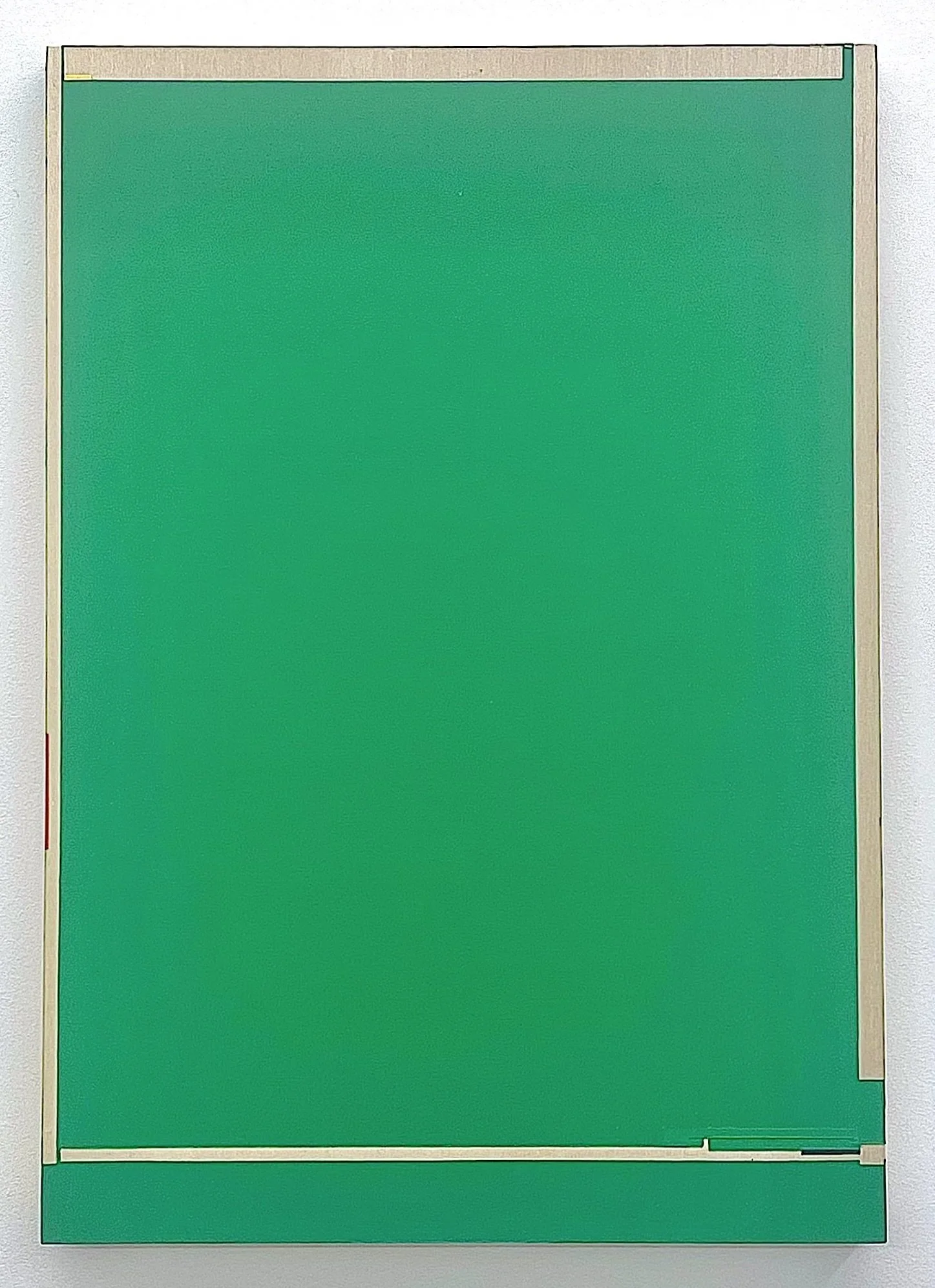
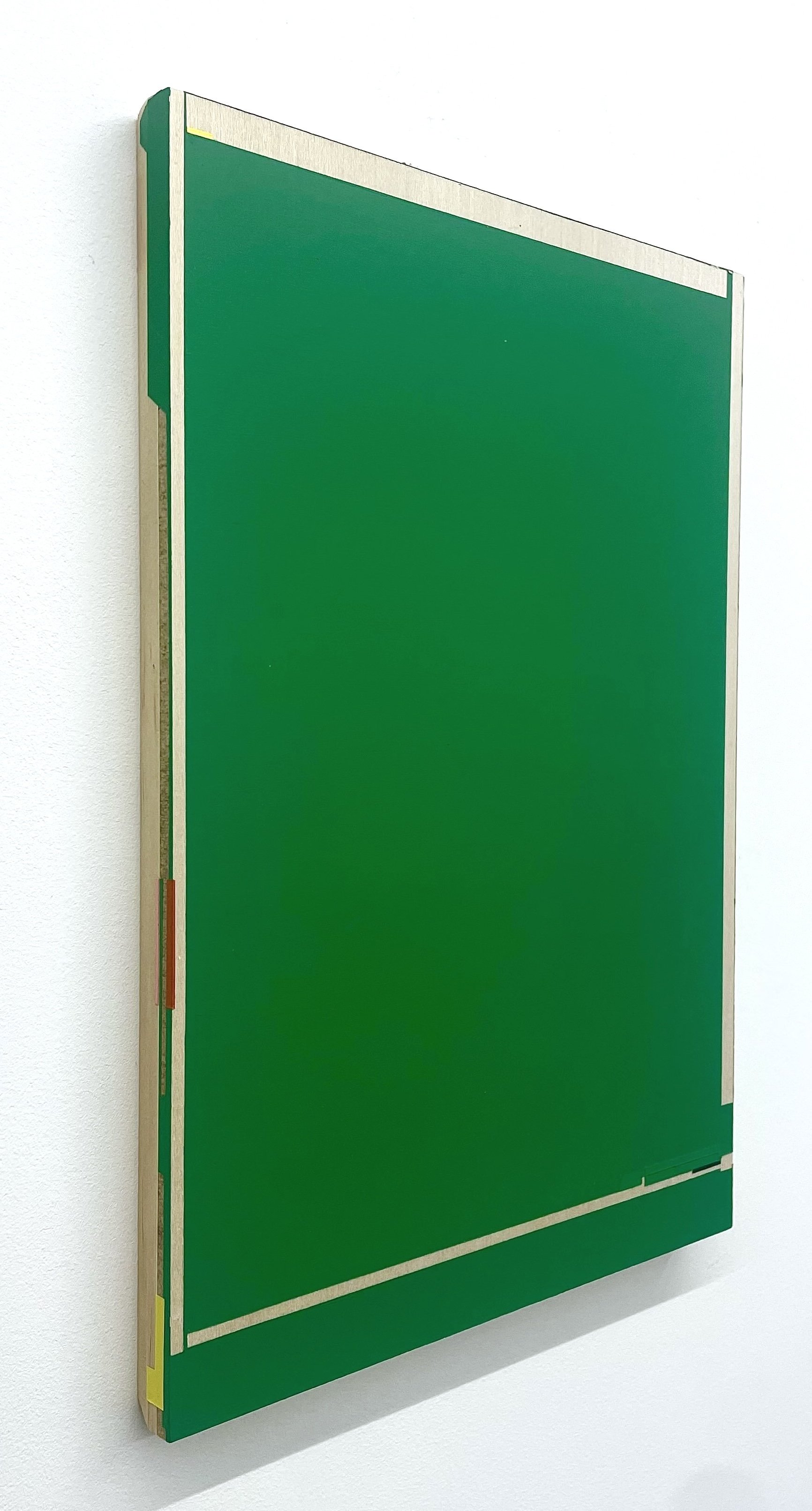
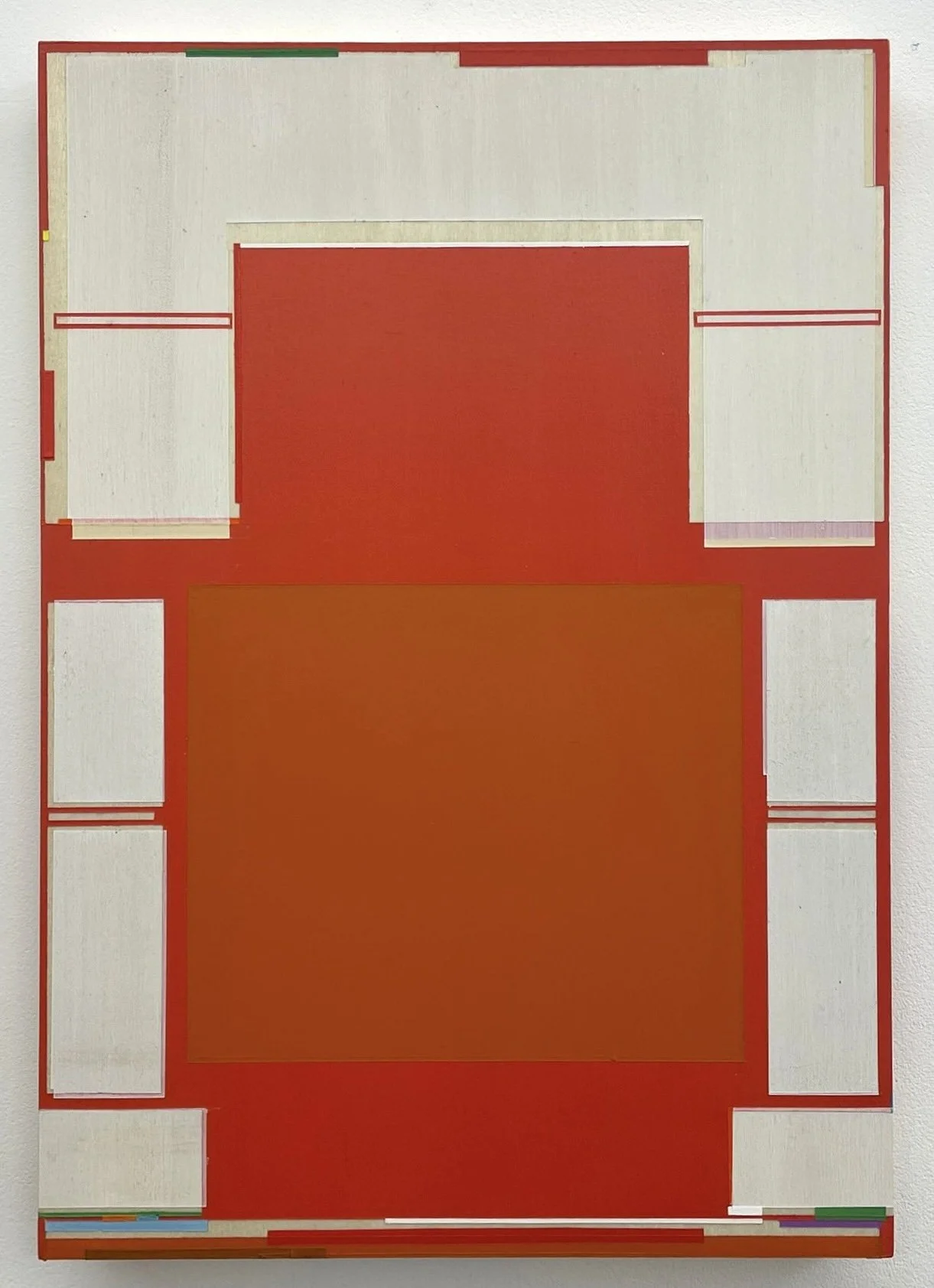
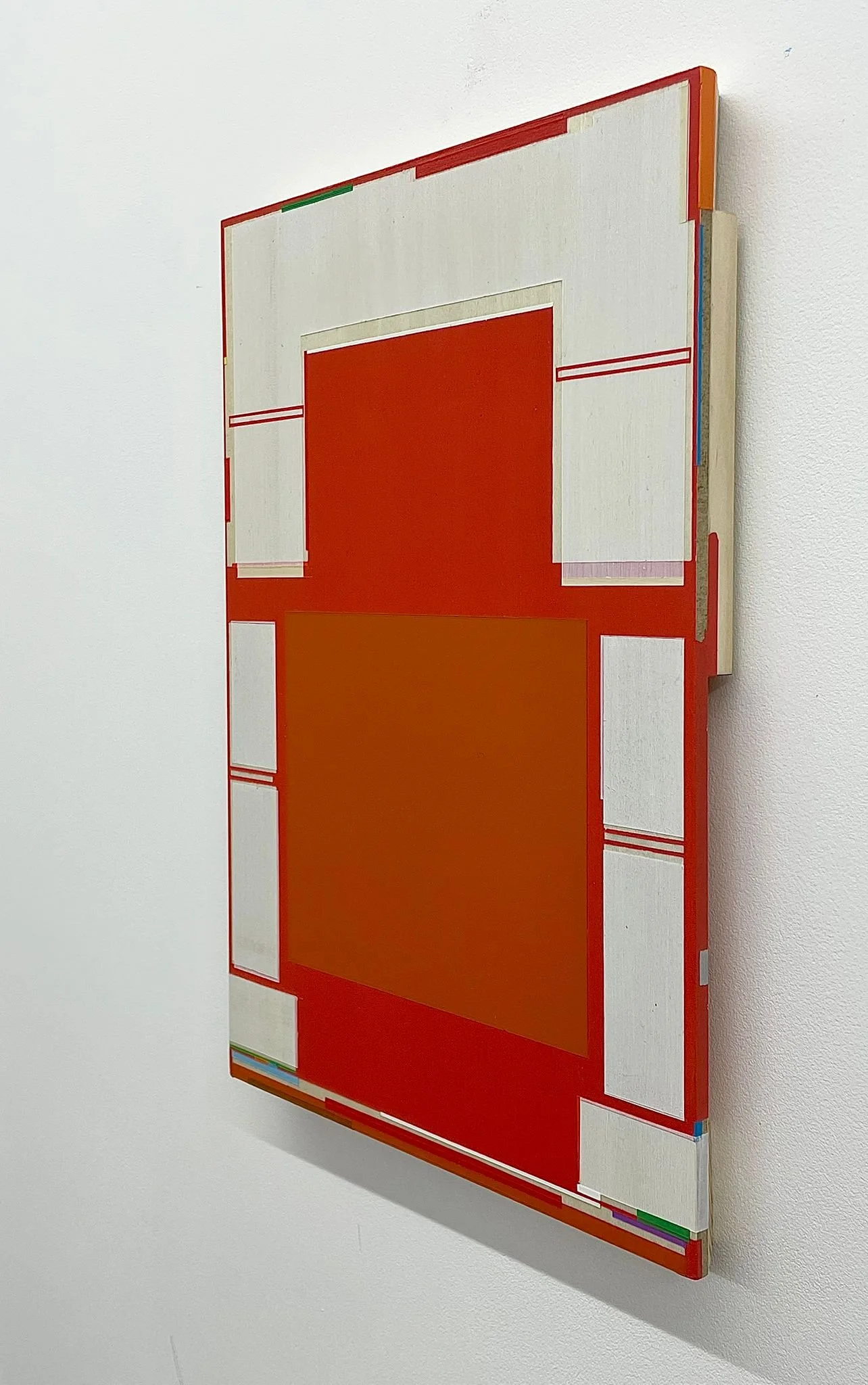
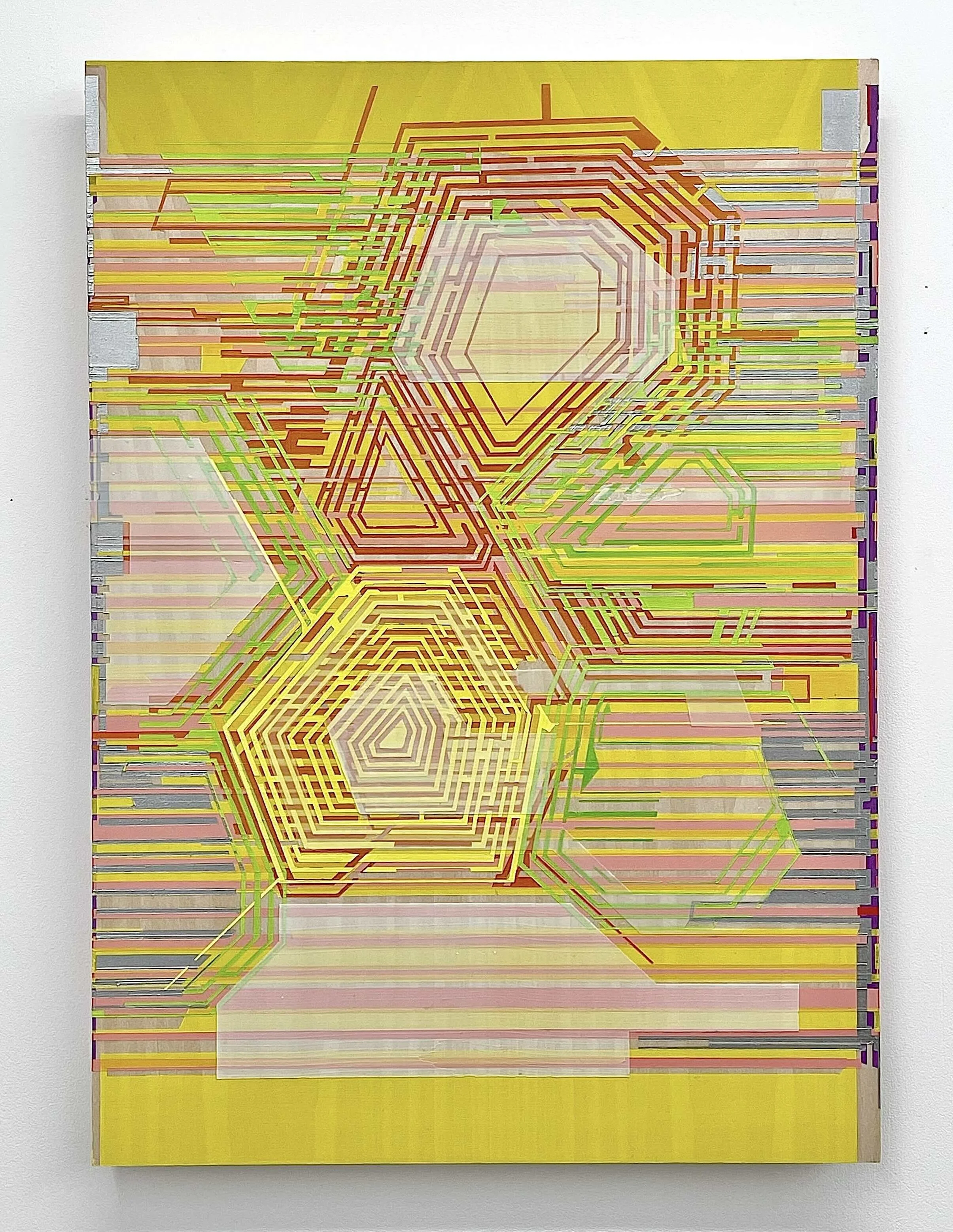
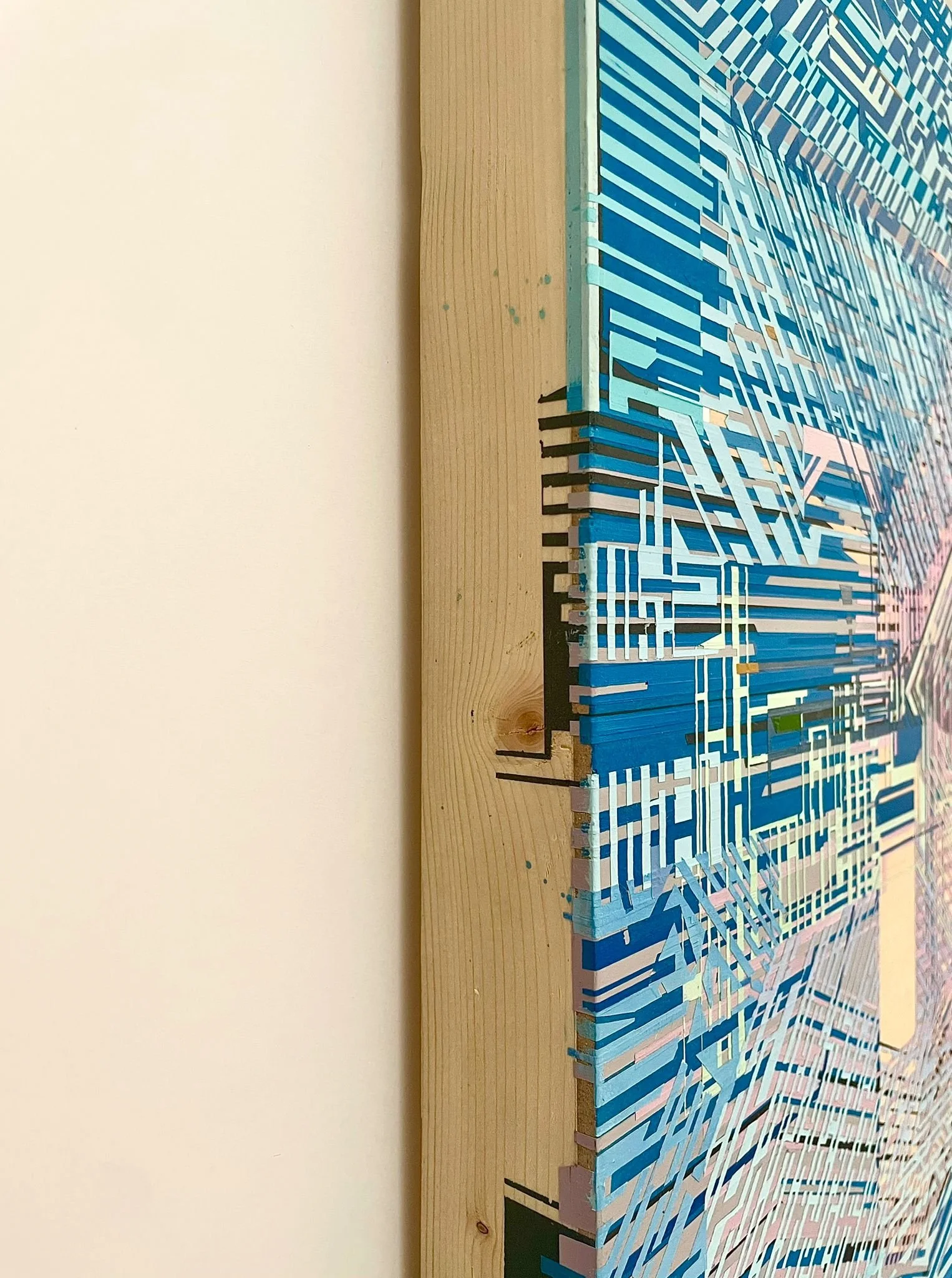
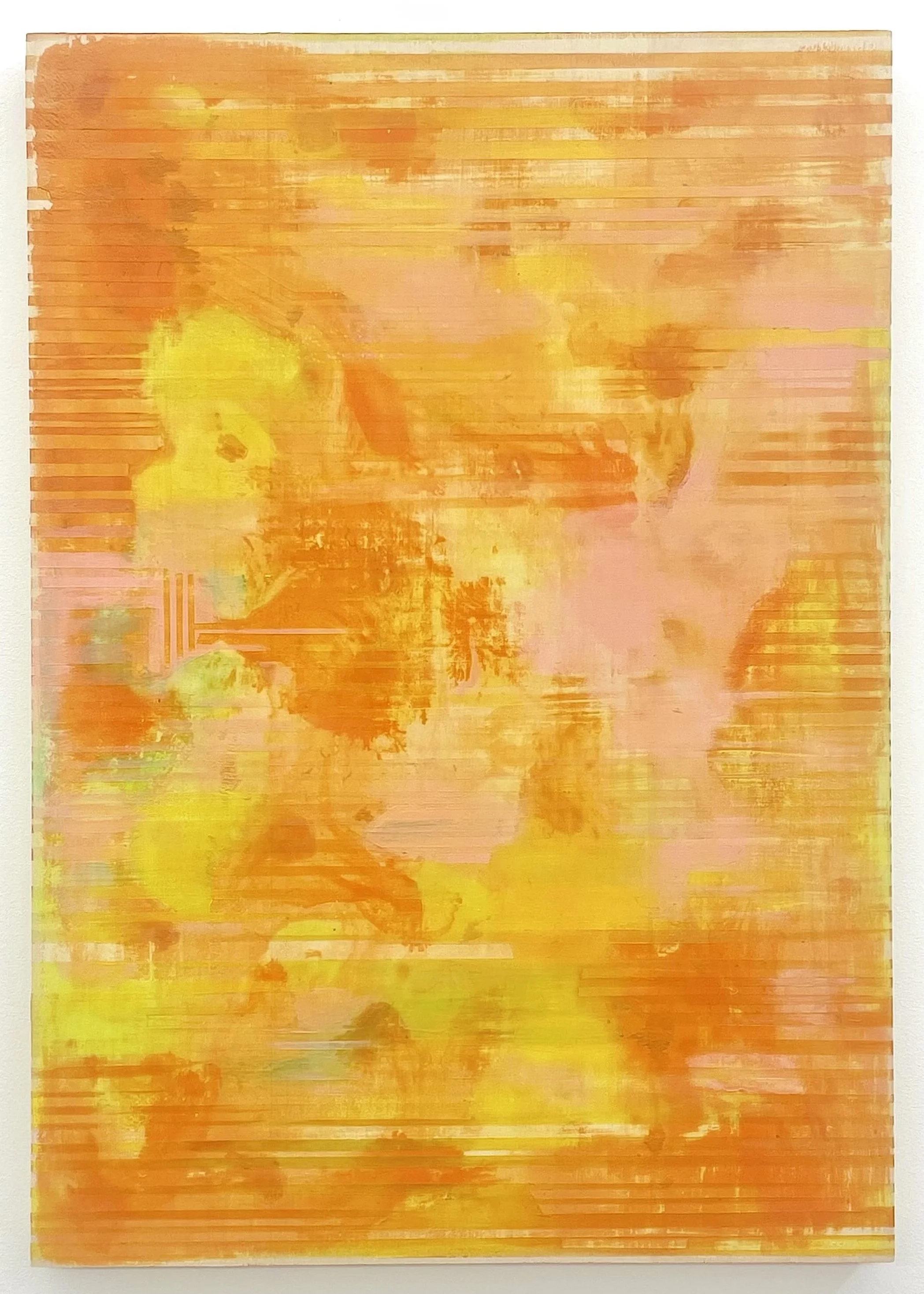
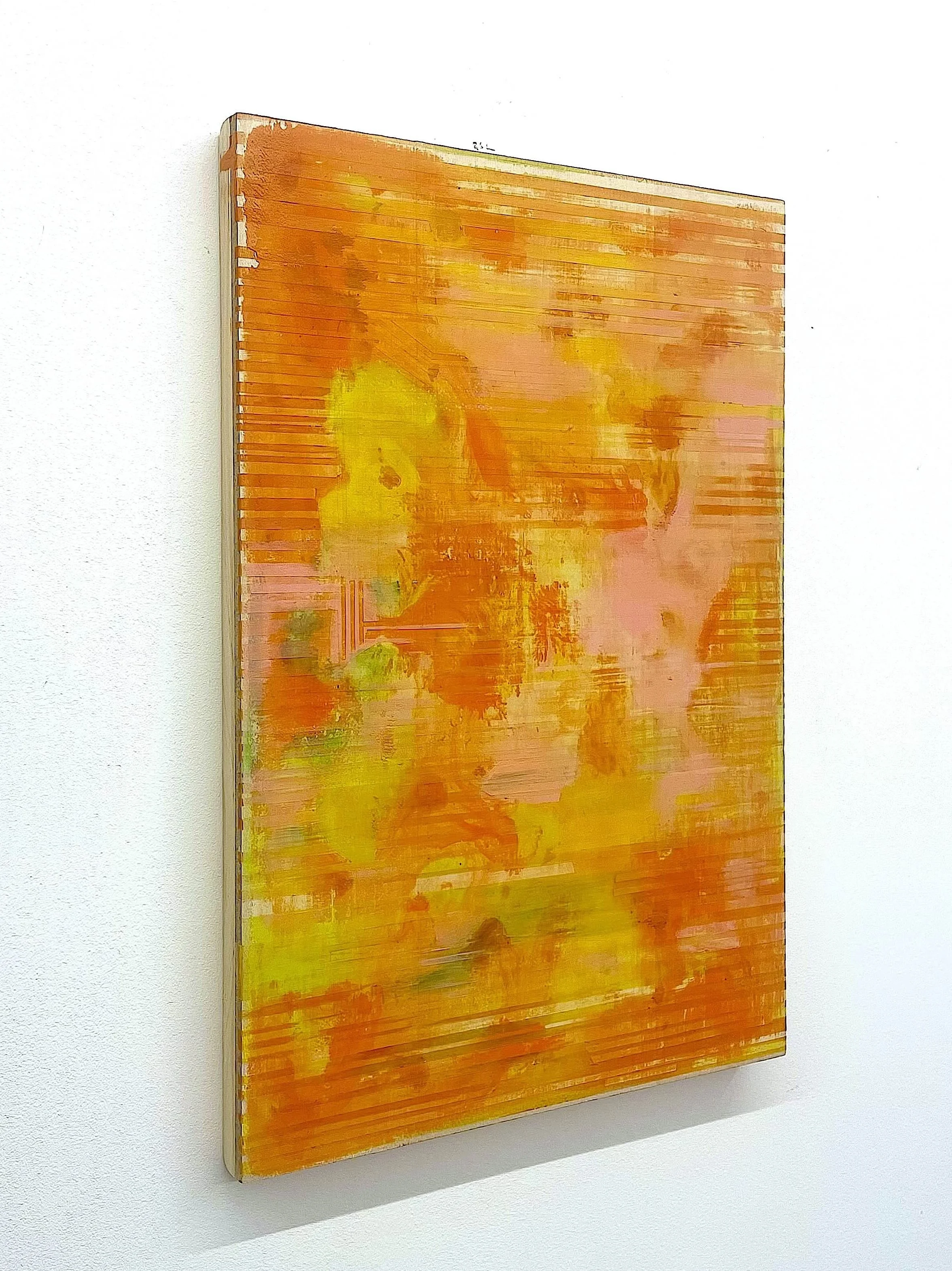
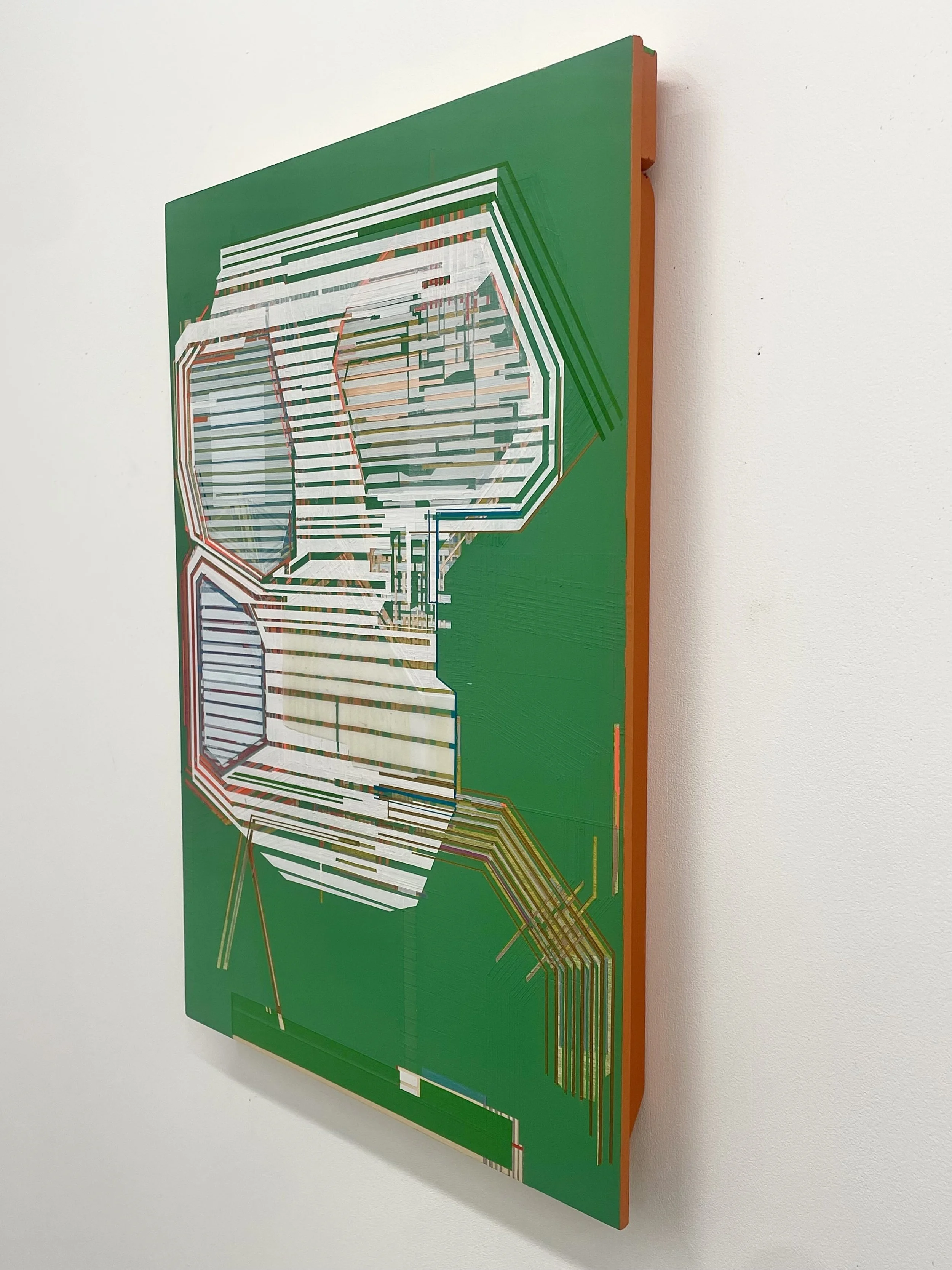
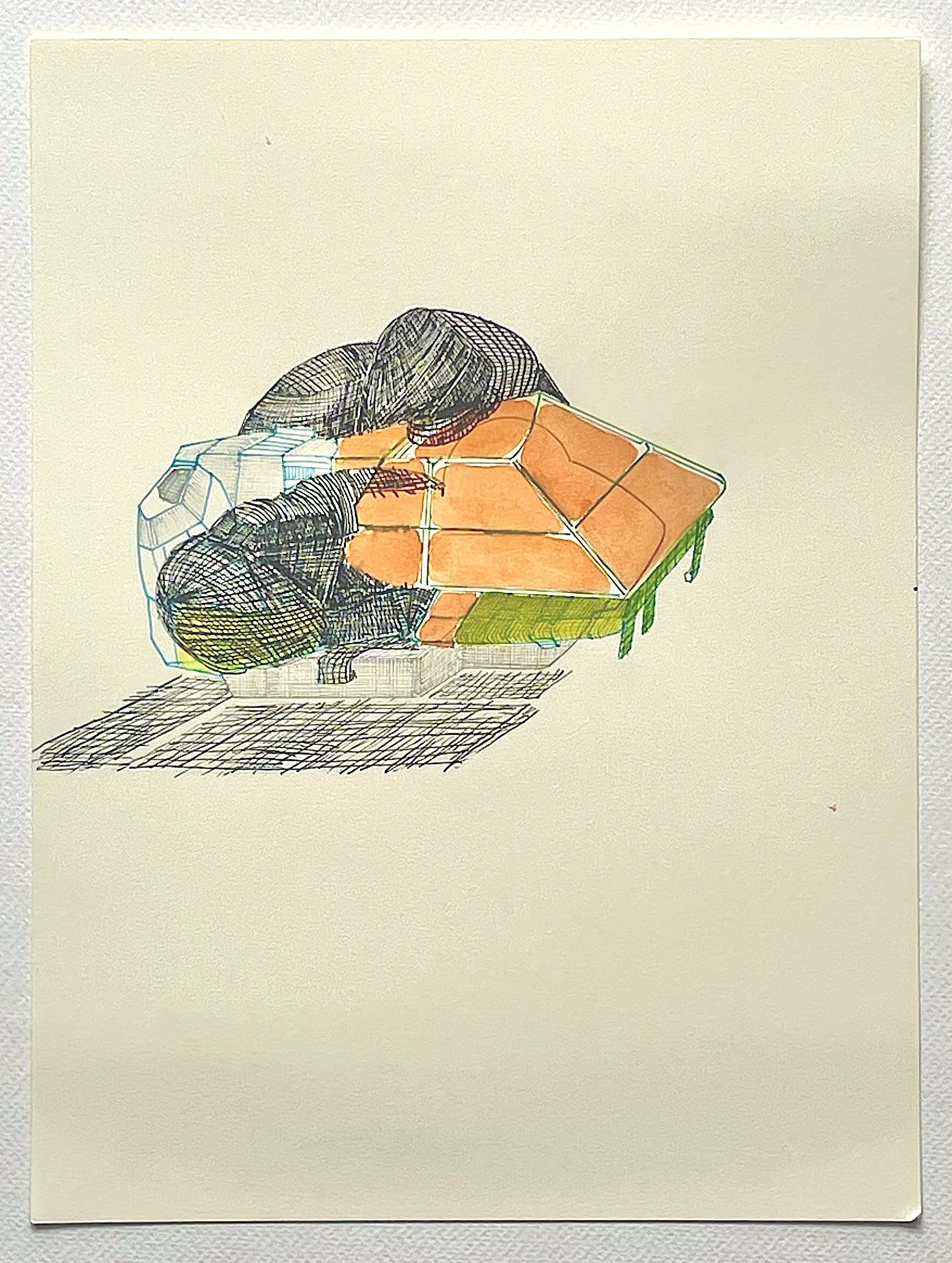
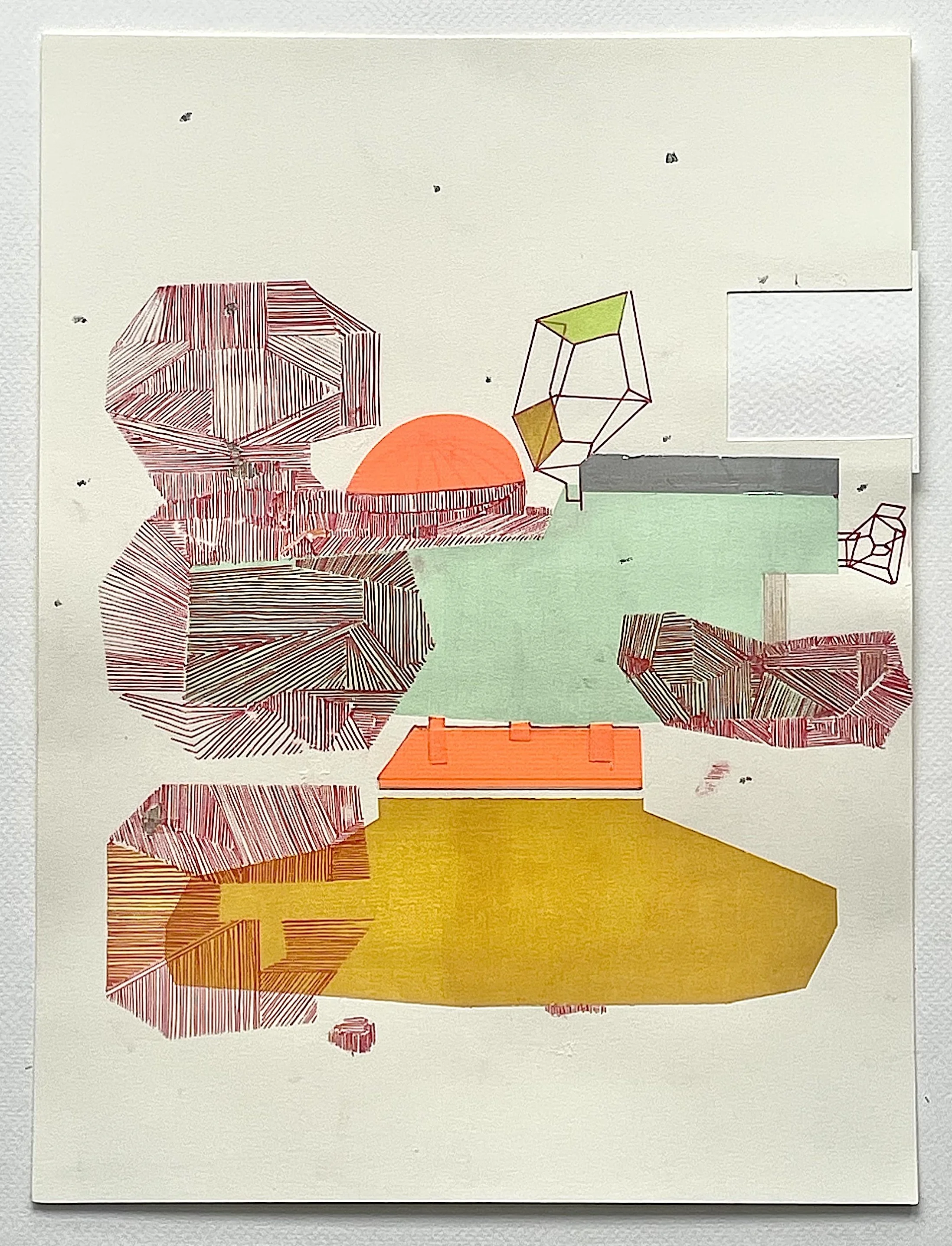
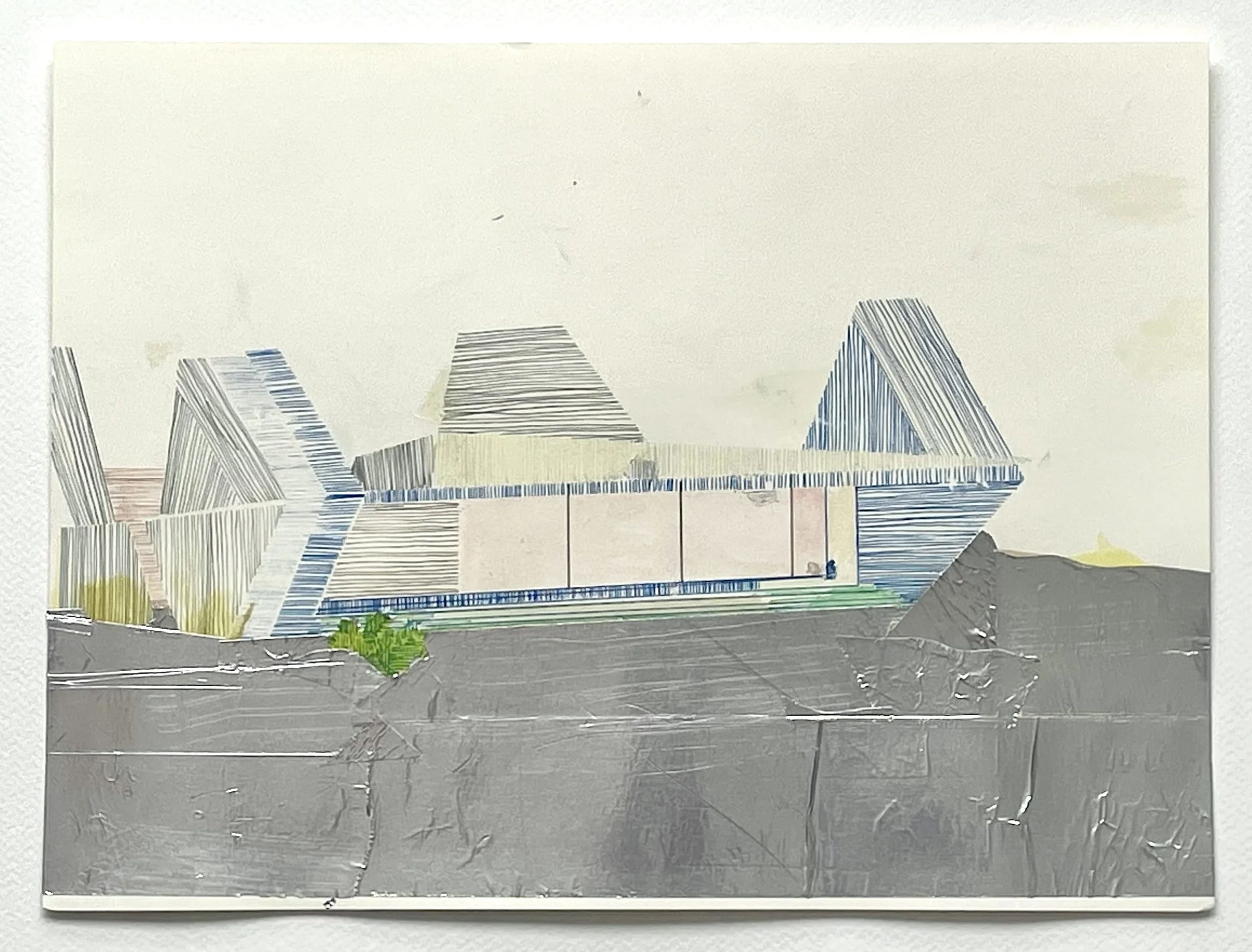
The painting of Jason Gubbiotti recapitulates some of the crucial dilemmas within the history of abstraction: the emphasis on the support—recently transitioned from canvas to wood panel—whose shape initiates a deductive composition; the geometric lexicon inherited from the Hard-edge language family; the “truth to materials” and the structural self-evidence offered to the spectator (the artist speaks of his paintings as “models for public power”); the accent on rhythm and opticality; the tension between the precision of mechanical forms and their imperfect rendition through manual craftsmanship; the formal interaction between line, color, surface; the combination of elemental aspects of painting such as form, space, and scale.
And yet Gubbiotti’s work is not a historicist exercise in reconstruction. These tenets are simultaneously affirmed and contradicted through gaps and portals that open up during the working process. Improvisational factors can lead the painting astray, personal events can introduce variations from the original scheme, and temporary relocations of the maker (from his habitual home in the Paris countryside to a residency in rural Ireland) can prompt specific compositional solutions. The recent body of work in this exhibition, made between 2024 and 2025, is a testament to this.
Standardized formats and a cohesive pictorial repertoire attest to the consistency of the series. Linear segments of information are compressed within the space of the panel, interrupted by interferences. The painting becomes a device that reiterates its necessity in the age of digital exchange; its opticality operates as a technology for contemplation. These possibilities are alluded to by the titles: references to the natural world, a brand in the plumbing industry, a Cannabis strain, Bruce Lee, and architecture lead in manifold and tangential directions. The communication signal might seem jammed, the channel disturbed, but it’s in these breaks, in the white noise, that meaning arises.
Simone Ciglia, February 2026
Simone Ciglia is an Assistant Teaching Professor at the University of Oregon. His areas of research focus on marginal spaces within contemporary art, including its relationship to agriculture, craft, and utopian/dystopian impulses. He works as a freelance curator and correspondent for Flash Art magazine, and writes for a variety of publications, including Treccani and Zanichelli.